
 Michael Turner

Load order: Place dense items (boots, toiletry kit in a sealed pouch, stove, small camera kit) closest to the frame of the rucksack and around the mid-back area; medium-weight garments and shirts belong in the central cavity; lightweight, bulky layers (puffy jacket, rain shell) go at the top or in an external pocket for quick access.
Organization system: Sort outfits by frequency of use and store them in cube-style organizers or sealed sacks: small cubes for undergarments and socks, medium for daytime shirts and base layers, large for trousers and outer layers. Label or color-code organizers so retrieval from a side pocket or lid takes 5–10 seconds.

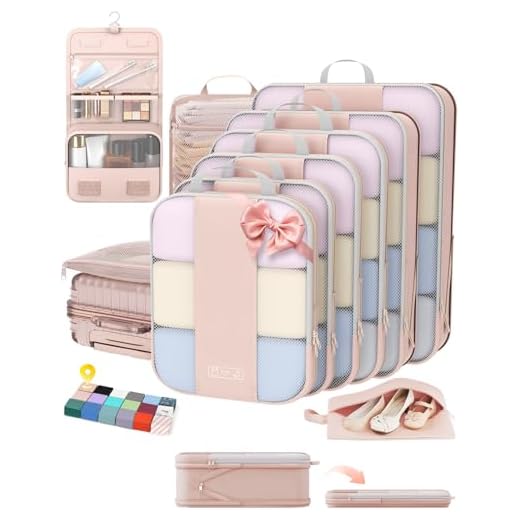

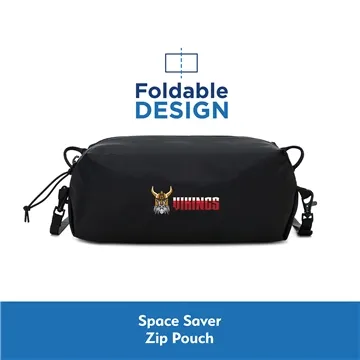
Volume-saving techniques: Roll thin garments tightly to expel air; fold structured items along seams and place them inside a cloth sleeve to limit creases. Combine rolling with one or two compression sacks for footwear or bulky insulation – many users report 20–40% reduction in occupied volume when using compression on bulky items.
Delicates and odor control: Place fragile fabric or dress shirts flat between heavier layers or inside a thin protective bag. Keep toiletries and damp items in a waterproof pouch separate from fabrics; insert a small charcoal or silica sachet to limit moisture and odor during multi-day use.
Balance and comfort checks: After loading, lift and walk 20–30 steps; if the load pulls to one side or feels top-heavy, shift 100–200 g increments toward the centerline or lower compartment until the carry feels neutral. Aim to fill about 70–85% of usable volume so straps can tension the load without bulging the lid.
Quick checklist: heavy items near spine → medium items central → light, quick-access layers on top → organizers for rapid retrieval → waterproof pouches for wet/dirty items → test and fine-tune weight distribution before departure.
Choose garments by fabric, weight and compressibility
Prefer merino (150–200 gsm) or polyester baselayers (120–150 gsm) and one insulating layer: high-fill down for maximum loft-to-weight ratio or synthetic for wet conditions.
Compare fabric metrics: gsm – lighter numbers mean less bulk but lower durability; target 120–180 gsm for daily tees, 150–200 gsm for baselayers, 200–350 gsm for midlayers. Drying time – polyester dries in 30–60 minutes on a line, merino 1–2 hours, cotton several hours; avoid cotton for active use.
Insulation choices with concrete ranges: down jackets typically weigh 150–400 g depending on warmth; synthetics (e.g., Primaloft) 250–600 g for comparable warmth. Fill power: 700–900fp compresses to smaller volume than 500–600fp for the same thermal value.
Compressibility figures (typical): down jacket into 1–2 L stuff sack for high-fill pieces; synthetic jacket often needs 2–4 L. Thin merino tee rolls to 0.5–1 L; heavyweight cotton hoodie often >3–4 L when compressed.
Moisture performance: choose hydrophobic synthetics or treated nylons for outer shells (weight 150–350 g); select down only if drying/overnight shelter is reliably available – wet down loses loft, synthetic retains more warmth when damp.
Weight budget targets for apparel (excluding footwear): ultralight 700–1,200 g, light 1,200–2,000 g, comfort 2,000–3,500 g. Use these bands to decide between single heavy layer versus multiple light layers.
Quick selection rules
1. Prioritize base and mid layers by gsm and dry time. 2. Choose down with >700 fp for smallest compressed volume; pick synthetic if exposure to prolonged wetness is likely. 3. Replace cotton with merino or synthetic for active days. 4. Measure actual compressed volume with your stuff sack or compression bag before final decisions.
Practical swaps
Replace a 400 g cotton hoodie (>3 L compressed) with a 200–300 g fleece or hybrid that compresses to 1–1.5 L and offers better warmth-to-weight and faster drying.
Bundle daily outfits together for quick grab-and-go access
Use one soft organizer per day: place a single top, matching bottom, underwear, socks and one accessory (tie, belt, scarf) in each cube and label with a number or color for instant selection.
Daily bundle checklist
Place the shirt flat, buttoned and face-down; fold the trousers once and lay beneath the shirt to reduce creasing.
Roll underwear and socks together and tuck into a small zip pouch to separate fresh items from worn ones.
Include one light extra layer (thin merino or synthetic) folded across the top if morning temperatures drop; keep heavier outerwear separate.
Pack a compact toiletry wipe and one emergency stain stick in an external pocket of the organizer for immediate touch-ups.
Placement and retrieval strategy
Store the organizer for the current day in the main compartment’s top section or in a quick-access pocket so the outfit can be removed without emptying the main load.
Keep a compact umbrella in a side pocket to avoid unexpected showers: best umbrella with wooden handle.
For business days, transfer the day’s organizer into a separate carry option and stow dress shoes in a shoe sac; consider a dedicated brief-style bag for meetings: best messenger bag for business travel.
When returning an outfit after wear, place it in a designated “to-wash” compartment or compress it in a different organizer to prevent mixing with clean bundles.
Roll, fold or bundle: when to use each method for shirts, pants and layers
Roll thin tees, synthetic base layers and underwear into tight cylinders–aim for a 2–4 cm diameter–to save roughly 15–30% volume and eliminate trapped air; roll from hem to collar with sleeves folded flat against the body.
Shirts
For button‑downs and polos: button up, lay face down, fold sleeves straight along the seams, fold vertically once and then fold horizontally into a ~25×30 cm rectangle. This preserves the collar and minimizes crease lines across the chest. For thicker knits (heavy cotton, wool sweaters): fold flat along natural seams; avoid tight rolling that will distort shape and stretch fibers.
For thin knit or performance shirts (merino, polyester): roll tightly. For dress shirts that must stay crisp, use the bundle method around a small core to reduce sharp folds.
Pants and layers
Denim and chinos: fold along the inseam or at the knee so the final piece is flat and compact–jeans should be folded, not rolled, to keep structure and reduce bulk. Lightweight trousers and shorts: roll into 3–5 cm cylinders for efficient filling of narrow gaps.
Mid‑layers and insulation: fleece can be rolled loosely to preserve loft; down and synthetic insulated pieces should be stored in a compression sack only for transit and released at first opportunity to protect loft–repeated long‑term compression shortens insulation life. Wool sweaters: fold flat to avoid shoulder stretching; wrap in tissue or a thin layer to reduce surface pilling.
Bundle method technique: create a small core (rolled socks/underwear ~5–8 cm ball), lay the bulkiest garment flat, place subsequent items on top and wrap inward around the core until a single compact bundle forms. Typical bundle size holds 6–12 items depending on thickness and yields the fewest visible fold lines on dress shirts and blazers.
Use organizer cubes, compression sacks and dry bags the right way
Group items by function and moisture sensitivity; store delicate insulation in a compression sack, day linens and underwear in organizer cubes, and electronics/food/first aid in sealed dry bags.
Organizer cubes – best practice
- Choose cube volumes: small 3–5 L (socks, underwear), medium 8–12 L (shirts, base layers), large 15–20 L (bulk sweaters). Match cube size to item bulk to avoid wasted space.
- Material: 30–70D nylon with reinforced mesh panels for breathability; zippers should be two-way SBS or YKK for durability.
- Fill guideline: fill to ~85% capacity so zippers close smoothly and contents stay organized without excessive compression.
- Color-code or label cubes with waterproof tags for quick identification; use translucent mesh side for a visual inventory.
- Place heavier cubes centered and low in the bag’s main compartment to maintain balance; keep fragile or frequently accessed cubes at the top or outer pocket.
Compression sacks & dry bags – best practice
- Compression sacks: use for loft-dependent insulation (down jacket, synthetic puffy). Reduce volume by 40–60% for transport; avoid compressing down for more than 7–10 continuous days to protect loft.
- Compression technique: stuff the item, strap from the bottom upward, then cinch straps evenly; do not twist fabric–use gentle pressure to preserve fill distribution.
- Dry bags: reserve one 3–5 L for electronics/meds, one 8–12 L for food/snacks, and a 15–20 L for wet gear or shoes. Choose welded seams and TPU or silicone coating for true water resistance.
- Sealing method: align top edges, roll tightly three times, then clip the buckle; perform a water test at home (submerge briefly) before relying on a bag for electronics.
- Hygiene: place damp items in a separate dry bag and ventilate as soon as possible; never combine damp and dry textiles in the same sealed sack for prolonged periods.
Quick sequence suggestion: allocate cubes by task, compress bulky insulation only, reserve a dry bag for moisture-sensitive items and snacks (example: small dry bag with nuts – which nuts have the most protein in them), and test seals before departure.
Place heavy items close to your spine and balance side-to-side
Place the heaviest item within 5–8 cm (2–3 in) of the spinal column and center it left-to-right; position its vertical midpoint between the bottom of the shoulder blades and the top of the pelvis (approximately 15–25 cm below the C7 vertebra for most adults).
Which items belong nearest the spine
High-density objects – water reservoirs, stoves, fuel canisters, batteries, cookware and books – belong in the central sleeve or internal compartment adjacent to the frame or support panel. Bulky low-density textile layers and sleeping gear should sit farther out or at the periphery. For water: use an internal bladder sleeve or a tightly folded bottle placed directly against the support panel to keep the mass close to your torso.
Side-to-side balance: measurable targets and method
Limit lateral weight difference to ≤10% of total carried mass. Example: for a 12 kg total, the heavier side should be no more than 1.2 kg heavier than the lighter side. Use a kitchen scale or luggage scale to compare pockets and compression cubes: weigh left chunk, weigh right chunk, then shift individual items (or compress/relocate) until the disparity meets the ≤10% target. If no scale is available, redistribute using a symmetry check while standing: with straps snug, lift arms and walk 50–100 m; swap items if you feel a persistent pull to one side.
Place very heavy single items (e.g., a full fuel can, dense cookware) slightly higher than the hip belt but still adjacent to the spine so their line of action passes through the pelvis when the belt is fastened; avoid locating such weights in external side pockets or at the bag’s front where they create torque and lateral sway.
Protect delicate garments and prevent odors with liners and shoe storage
Store delicates in a fine-mesh laundry bag and place footwear in separate zippered shoe sacks so fragile fabrics do not rub against soles and odors stay isolated.
Use a barrier layering system: 1) a soft mesh or nylon liner for each garment group, 2) an odor-barrier zip bag for long-term storage of worn items, 3) single-use desiccant or charcoal sachets inside compartments. Recommended specs: mesh holes 1–2 mm, ripstop nylon 20–40 denier for lightweight liners, and zip bags at least 2–4 mil polyethylene for an effective smell barrier.
Quantified dosing: add 2 silica-gel packets (3–5 g each) per 5 L volume to reduce humidity; replace or recharge after 3–5 days of damp use. For odor control, use one 50 g activated-charcoal sachet per 8–12 L, or three 10–15 g sachets distributed across a 20 L duffel or rucksack compartment.
Shoe handling: clean and fully dry footwear before storage. Use shoe sacks sized to the type: low-top sneakers 28×18 cm, dress shoes 30×19 cm, mid-height hiking boots 34×22 cm. Put socks or crumpled tissue inside each shoe to hold shape and prevent creasing; place shoes in an external lower pocket or base compartment of the bag, separated from garments by a liner.
For delicate fabrics (silk, lace, cashmere): use individual zippered mesh laundry bags or acid-free tissue wrap; avoid compression on these items – allow 20–30% extra volume to prevent permanent creasing. For knits, fold flat into a small nylon liner rather than rolling to reduce stretching.
| Item | Material / Size | Purpose | Recommendation |
|---|---|---|---|
| Fine-mesh laundry bag | Polyester/nylon, 1–2 mm holes, 30×40 cm | Protect delicates from friction | One per outfit type; wash separately when damp |
| Ripstop liner | 20–40D nylon, 25–35 L capacity | Lightweight separation and abrasion protection | Use for shirts, sweaters; avoid compressing silks |
| Odor-barrier zip bag | Polyethylene 2–4 mil, various sizes | Contain smells from worn items | One per 8–12 L of worn items; resealable |
| Silica-gel packets | 3–5 g per packet | Control humidity inside liners | 2 packets per 5 L; exchange after 3–5 days if damp |
| Activated-charcoal sachet | 10–50 g sachets | Adsorb odors and VOCs | 1×50 g per 8–12 L or multiple small sachets dispersed |
| Shoe sack | Breathable cotton or waterproof nylon; sizes above | Separate soles from garments and trap dirt | One pair per sack; double-bag damp pairs |
| Cedar shoe tree | Appropriate size for shoe type | Maintain shape and reduce moisture/odor | Use for leather shoes; remove before long storage in heat |
Quick checklist before closing a compartment: garments dry and in mesh or tissue, odor-bag sealed for worn items, 2 silica packets and 1 charcoal sachet placed for every 8–12 L, shoes cleaned, dried, stuffed, and isolated in a sack sized to the shoe type.
FAQ:
Should I roll or fold clothes to save space and reduce wrinkles?
For most casual travel, rolling is the better choice: it compresses soft garments, creates fewer creases, and lets you fit more into tight spaces. Roll thin items (t-shirts, leggings) tightly and place them in packing cubes or a compression sack to hold shape. For dress shirts, blouses or anything that wrinkles easily, fold them with tissue paper or place them flat on top of rolled items to keep them smooth. Another option is the bundle method—wrap smaller pieces around a central core to minimize fold lines; this works well for mixed wardrobes. Using lightweight plastic or dry-cleaning bags between layers also reduces friction and lowers crease risk.
How should I arrange items so a backpack feels balanced and comfortable on long hikes?
Put heavy gear—stove, food, water reservoir, cooking pot—close to your spine and near the center of the pack, around shoulder-blade height. That keeps the load stable and reduces strain on your lower back. Lighter items can go toward the top and outer pockets. Place sleeping gear and bulky but light items at the bottom. Distribute weight evenly left to right, and store frequently used items (rain jacket, snacks, map) in side or top pockets for quick access. Tighten hip belt and load lifters so the pack sits snugly; the hip belt should carry most of the weight.
What’s the best way to keep dirty or wet clothes separate without making the backpack smell?
Pack dirty items into a sealed waterproof bag or a zippered laundry sack to isolate moisture and odors. For damp garments, a waterproof sack plus a few absorbent sachets or a small microfiber towel can reduce lingering smell until you can wash them. Use a breathable mesh bag for items that need airflow, and dry wet clothes on a line as soon as possible. If you have room, carry a couple of small resealable plastic bags for very wet items like swimsuits. Washing out sweat-prone garments at night and letting them air-dry will also cut down on odors.
Which items should I pack last so I can reach them quickly during travel and overnight stops?
Keep everyday essentials in the top compartment or an external pocket so they are accessible without unpacking the entire bag. Pack a lightweight rain jacket and a compact waterproof cover in the lid or outer pocket for sudden weather. Place a headlamp or small flashlight, a basic first-aid kit, snacks, and a map or phone with offline maps in an easy-access pocket. Travel documents, wallet, and phone are best stored in a secure, reachable pocket or a small daypack you carry separately. For overnight stops, keep a change of clothes and hygiene items in the top or a designated toiletry pouch so you can freshen up quickly. Finally, use clear or labeled packing cubes so you can pull out a complete outfit without rifling through layers.