
 Michael Turner

Short verdict: for everyday use this maker delivers acceptable durability at a budget price – best for users who carry a laptop, lunch and a few textbooks rather than heavy gear. Typical specs: 20–25 L capacity, empty weight ~0.5–0.8 kg, main fabric 600D polyester or similar, zipper hardware similar to YKK, single padded laptop sleeve sized for 15.6″ devices, shoulder strap padding 10–15 mm foam, back panel without aluminum frame.
Price and support: retail usually $18–35; upgraded models with reinforced seams or water-resistant coating reach $40–55. Most sellers include a 6–12 month limited warranty; opt for vendor return options and clear warranty terms when buying. Recommended user profiles: students, cyclists, urban commuters, gym-goers. Avoid this category for multi-day hiking, heavy photographic kits or loads exceeding 10–12 kg due to limited load distribution and lack of hip belt.
Buying checklist: inspect strap anchor stitching, confirm zipper brand or tested smoothness, verify laptop sleeve padding thickness (10 mm minimum for daily protection), check for seam taping or DWR coating if rain resistance required, and look for a sternum strap or chest clip if frequent cycling is planned. Field test: load 8–10 kg and wear for 10 minutes to verify strap comfort and panel breathability before committing.
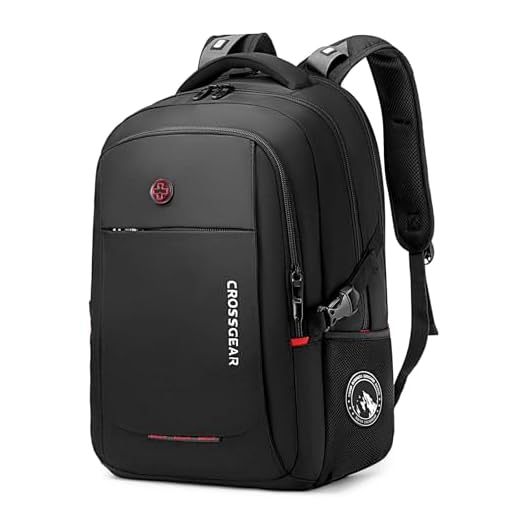
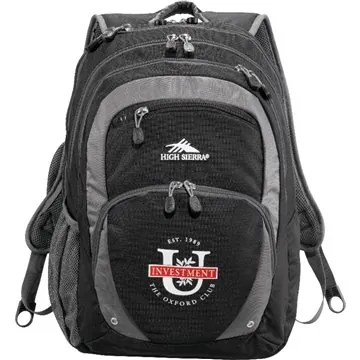
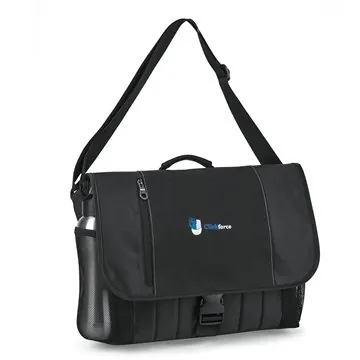

Maintenance and upgrades: reinforce strap anchors with sewing or gear tape after extended heavy use; apply a spray DWR to improve water resistance; replace zipper sliders with metal aftermarket parts if failures appear. If ergonomic load carrying or serious outdoor use is needed, target framed rucksacks 40 L+ and $80+; for lightweight city use, comparable low-cost alternatives include major budget labels offering similar specs and return policies.
Which materials and zippers withstand daily wear?
Use 420–1000 denier nylon or polyester for the main shell with targeted 1000D Cordura or 1680D ballistic nylon at abrasion points; pair that with YKK coil zippers (#5) for pockets and YKK Vislon/molded zippers (#8–#10) for main openings and heavy loads.
Material specifics: 420D nylon (light, ~30k–50k rubs) balances weight and durability for commuters; 600D polyester (budget urban use, ~20k–40k rubs) resists scuffing but cuts faster than nylon; 1000D Cordura (high abrasion, often >100k rubs) should cover base, straps and bottom panels; 1680D ballistic nylon gives maximum abrasion and tear resistance for courier-style or heavy daily hauling. Prefer plain weave for abrasion resistance and ripstop weave where puncture resistance matters.
Coatings and waterproofing: single-layer PU coating rated ~1,000–3,000 mm hydrostatic head offers splash resistance; 2K or 3K PU improves longevity; TPU laminates and fully taped seams provide genuine waterproof performance for electronic gear. Look for DWR finish on outer face to shed surface water and avoid coating breakdown; welded seams extend life where water exposure is frequent.
Zipper guidance: coil zippers (nylon) slide smoothly and tolerate sand/grit; use #5 coil for accessory pockets, #8 coil for medium loads. Molded Vislon teeth resist crushing and salt corrosion; #10 Vislon recommended for main compartment closures or roll-tops. Metal teeth are strong but prone to corrosion and tooth deformation under impact. Choose zippers with reinforced stops, two-way locking sliders for heavy use, and replaceable sliders rather than sewn-in one-piece units.
| Component | Typical spec | Approx wear | Best application |
|---|---|---|---|
| 420D Nylon | 420 denier, ripstop option | 30k–50k rubs | Everyday commuter panels, lightweight daypacks |
| 600D Polyester | 600 denier, plain weave | 20k–40k rubs | Budget urban bags, casual use |
| 1000D Cordura | 1000 denier, high-tenacity nylon | ~100k+ rubs | Bottoms, shoulder straps, high-contact zones |
| 1680D Ballistic Nylon | 1680 denier, densely woven | >100k rubs | Heavy-duty commuter and courier packs |
| #5 Nylon Coil | ~5 mm tooth equivalent | High cycle life, sand-tolerant | Pockets, accessory compartments |
| #8–#10 Vislon (molded) | #8 ≈8 mm, #10 ≈10 mm | Very high crush and load resistance | Main compartments, load-bearing openings |
Stitching and reinforcement: expect bar-tacks at strap termini, box-X stitching on shoulder connections, and bound or hemmed zipper tape. Replace broken sliders with matching-size YKK parts and repair fabric abrasions with adhesive patches (Tenacious Tape) or localized Cordura panels to prevent zipper misalignment.
Simple maintenance extends life: clear grit from teeth after exposure, apply paraffin or zipper lubricant sparingly to sliders, avoid overstuffing relative to zipper size (#5 vs #10), and keep coated fabrics clean to prevent DWR breakdown.
Full-day commuting comfort with this brand’s commuter packs
Choose models with 35–40 mm shoulder-pad thickness, a 15–20 mm lumbar foam insert, a ventilated back channel of 20–30 mm depth, and an empty weight under 1.2 kg; keep carried load between 4–8 kg for sustained comfort during 8–10 hour shifts.
Packing and fit checklist
- Capacity: 18–25 L for single-laptop + lunch + small extras; 26–35 L if you carry an extra pair of clothes or gym gear.
- Laptop sleeve padding: minimum 10 mm; position sleeve close to the rear panel so the device sits near your spine.
- Shoulder straps: 50–70 mm width with contoured foam (35–40 mm thick) to distribute load and cut peak pressure.
- Hip belt: recommended when carrying >7 kg – transfers 30–40% of load off the shoulders.
- Sternum strap: adjustable height and a sliding clip reduce strap bounce and stabilize the load during walking or cycling.
- Load recommendation: keep total carried weight under ~10% of body mass for prolonged comfort; avoid sudden increases in daily load.
On-the-go adjustment and maintenance tips
- Set hip belt first (snug but not tight), then shoulder straps so the pack sits 5–10 cm above the small of the back.
- Use load-lifter straps (15–25° pull) to bring the top of the pack closer to the torso and reduce backward torque.
- Place heavy items nearest the spine and mid-height; soft items toward the front to balance pressure points.
- Take a 5–10 minute standing/stretch break every 90–120 minutes if wearing the load for an entire day.
- Replace shoulder-strap foam or add a thin aftermarket pad after ~18–24 months of daily use if flattening causes pressure hot-spots.
If you carry pet supplies or make meals while commuting, useful extra reading: best additive for homemade dog food.
What packing capacity and organization do the models provide for laptops and gym gear?
Recommendation: choose a 22–28 L model for a 15.6″ laptop plus shoes and workout clothes; pick 30–36 L if you carry a 17″ laptop, a pair of training shoes, a towel and a change of clothes daily.
Typical laptop specs: a dedicated sleeve sized ~38×28 cm will accommodate most 15.6″ devices (up to ~16.5″ diagonal / 42 cm); sleeves for 17″ machines measure ~43×30 cm. Expect 6–10 mm of foam padding and a secure strap or elastic tab on commuter-oriented models; some use a suspended sleeve that isolates the device from the bottom of the main compartment.
Gym-gear organization found across the range: a separate shoe/dirty-gear compartment of about 4–8 L (zips closed and accessed from the side or bottom), a lined wet pocket for sweaty items or toiletries (~1–2 L), and a main compartment that leaves 12–22 L free for clothing, towel and a small kit. External water-bottle pockets fit bottles up to 1 L; elastic mesh or zippered side pockets for quick-access items are common.
Small-item layout: an organizer panel with 2–4 card/phone slots, a pen loop, and a zippered valuables pocket is standard on commuter/gym hybrids. Cable pass-through or internal cable ports exist on many models for charging on the go. Removable or fold-flat pockets let you convert space between daily use and heavier gym loads.
Packing strategy: place the laptop in the sleeve against the pack back for stability, shoes and wet items in the dedicated lower compartment, and rolled clothes in the main area to save space. Use a 1–2 L packing cube for socks and toiletries to keep the organizer panel free. For larger loads, reserve ~20–30% of the main compartment volume for compression and separation so the laptop area remains protected.
How these packs perform under heavy loads and long walks
Recommendation: choose models with an internal or semi‑rigid frame, a padded hip belt with 40–60 mm webbing and at least 4 cm of closed‑cell foam, and adjustable load lifters so 60–70% of carried mass transfers to the hips rather than shoulders.
Load limits and fatigue rates
For daily long‑walk use, framed daypacks sustain 15–20 kg for repeated 8–10 hour days before structural wear appears; unframed designs begin to show shoulder‑strap compression and seam strain above ~10–12 kg. Expect shoulder foam compression of 10–25% after ~300 walking hours under moderate load (10–12 kg). Stitch points at strap bases experience the highest stress: if thread is single‑stitch only, plan for repairs after 6–12 months of heavy use; double‑stitch or bartack reinforcements extend life by 2–3×.
Reinforcements, failure modes and field fixes
Main failure modes observed: horizontal seam separation at cuff of main compartment, zipper tape tearing under repeated side‑pull, foam flattening in shoulder straps, and deterioration of plastic strap adjusters. Upgrades that prolong life: replace pack‑to‑hip webbing with 25–30 mm tubular webbing, add a 5–10 cm internal spine sheet (polypropylene) to preserve torso shape, and swap cheaper zippers for YKK‑type metal teeth. Quick field fixes: sew a back‑panel patch with 20–25 mm box‑x at the strap anchor, use rivet or zigzag stitch for torn webbing ends, and carry a small roll of 25 mm emergency webbing and a heavy‑duty needle.
For wet conditions and transit protection add a rain cover and a location device – see best umbrella brand in mumbai and best luggage tracker tpg for compatible accessories.
Water resistance and cleaning for the brand’s daypacks
Short recommendation: treat these packs as water-resistant for light rain and spills but not waterproof – use a rain cover or waterproof liner for extended exposure or heavy storms.
Water protection details: most models use coated polyester/nylon with a DWR or PU finish that causes water to bead at the surface. Expect a hydrostatic-head performance comparable to casual urban gear (roughly under 1,500 mm), which protects against drizzle, brief showers and splashes but will leak through seams, unsealed zipper teeth and padded laptop pockets during prolonged downpours.
Routine cleaning (weekly/after dirty commutes): empty the bag, shake out crumbs, unzip all compartments. Mix 1 teaspoon mild liquid detergent per 1 litre of lukewarm water. Use a soft brush or sponge to spot-clean stained areas, working in circular motions. Rinse with clean water and blot with a microfiber towel. Air-dry hanging upside-down with compartments open.
Deep cleaning (every 3–6 months or after heavy soiling): hand-wash in a tub using the same mild-detergent ratio. Submerge only the fabric panels; avoid soaking removable foam back panels or leather trims. Gently agitate for 5–10 minutes, rinse thoroughly until water runs clear. Do not use bleach, fabric softener, or strong solvents.
Machine wash guidance (only when absolutely necessary): place the pack inside a pillowcase or laundry bag, secure all straps and zippers, use a cold gentle cycle with no spin. Remove immediately and air-dry. Repeated machine cycles shorten the life of coatings and structural elements.
Stain, mold and odor treatment: grease – pre-treat with a small amount of grease-cutting dish soap before washing; mildew – wipe with a 1:4 white-vinegar:water solution, rinse thoroughly and dry in sunlight; persistent odors – leave an open container of baking soda inside the dry pack overnight, then vacuum loose powder.
Zippers and trims: clean zipper teeth with a soft brush, rinse, then apply a thin coat of silicone or graphite zipper lubricant to restore smooth operation. Wipe leather or faux-leather parts with a damp cloth and apply a leather conditioner sparingly.
Restoring water repellency: when water stops beading, wash with a technical cleaner designed for outdoor fabrics, then apply a spray or wash-in Durable Water Repellent product following the manufacturer’s instructions. A brief low-heat tumble (10–15 minutes) can help reactivate DWR on heat-tolerant fabrics; avoid this step for coated or heat-sensitive components.
Practical schedule: spot-clean as needed, deep-clean quarterly for heavy users, reproof DWR once per year or after 10–20 washes, and always use supplemental waterproofing for long exposure to rain.
Warranty, repairs, and resale: practical steps and cost expectations
Register your East Sport pack online within 30 days of purchase and keep the original receipt plus any serial or model tag – this speeds claims and preserves secondary-market value.
Manufacturer coverage commonly takes the form of a limited warranty covering manufacturing defects for 12–24 months; check the product page or hangtag for the exact period. Typical exclusions: abrasion or puncture from normal use, cosmetic wear, damage from misuse, modifications, and theft. File claims with dated photos (close-ups of failing seams, zippers, fabric delamination), a short description, and proof of purchase; expect an initial response within 7–14 days and a resolution or repair estimate within 2–6 weeks.
For out-of-warranty or non-covered repairs, typical rate ranges: zipper replacement or slider repair $25–70, seam re-stitching $20–50, strap/webbing replacement $15–45, hardware/frame repairs $30–120 depending on parts. Authorized service centers may charge higher labor but use OEM parts; independent gear repair shops and experienced cobblers often provide lower-cost options. Self-repair kits (YKK sliders, Tenacious Tape, Seam Grip, heavy nylon thread and large needles) handle small fixes for $5–25 in materials.
To maximize resale value: clean and deodorize the item, replace cheap zipper pulls, repair small seams, and photograph the bag in natural light with detailed shots of wear points. Typical resale ranges: well-kept mid-market models often fetch 30–60% of original retail; lightly used premium models can exceed 60%; heavily used items commonly sell for 10–30% or are best sold for parts. Price by comparing completed listings on marketplaces rather than asking prices.
Best resale channels: specialized outdoor gear marketplaces and forums, general platforms (eBay, Facebook Marketplace), and local consignment or outdoor shops that accept trade-ins. When listing include model name, capacity, production year (if available), condition notes, and whether original receipt or tags are included. Ship with tracking and insure items worth more than $100; mark any permanent repairs clearly to avoid disputes.