
 Michael Turner
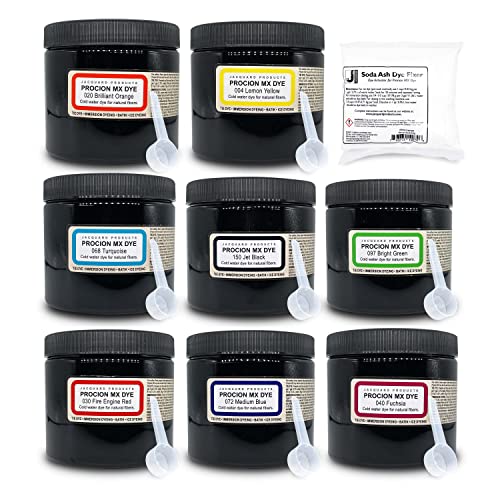
Weigh the dry pack fabric (remove removable straps, foam, metal hardware). Calculate required colorant mass: grams of colorant = fabric weight (g) × target % ÷ 100. Example: 600 g fabric × 5% = 30 g colorant. Always run a 2×2 cm patch test on a hidden seam with the same recipe before treating the whole item.
Preparation specifics by substrate: cellulose (cotton/linen) – use cold‑reactive fiber‑reactive colorants at room temperature (20–30°C) with an alkaline activator (soda ash) and allow reaction 8–24 hours for full fixation; nylon/silk – use acid colorants in an acidic bath (pH ~4–5) heated to 80–90°C and maintain for 30–60 minutes; polyester – use disperse colorants at high temperature (120–130°C) under pressure or use a specialist high‑temp home kit or professional service (regular home methods rarely fix on polyester).
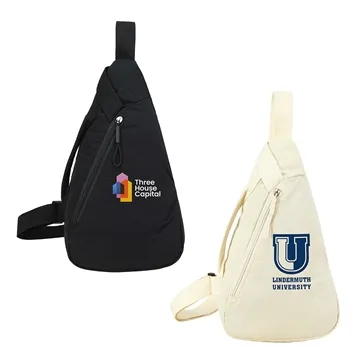


Bath and handling rules: use a bath volume that allows the item to move freely; add colorant per the owf calculation; follow manufacturer instructions for auxiliaries (salt, soda ash, acidifier) and safety data. Limit mechanical agitation for structured packs to avoid seam stress; protect or remove metal zippers/frames (wrap with foil or remove) and seal foam compartments to prevent penetration.
Post‑processing: rinse in cold water until runoff is near clear, then wash separately in warm water with a mild detergent; machine wash once to remove unfixed colorant. Dry away from direct sunlight to reduce fading. For improved colorfastness, perform one hot wash cycle after rinsing when using fiber‑reactive recipes.
Safety and troubleshooting: wear nitrile gloves, eye protection and a respirator for powders; work in a ventilated area. If color is uneven, reweigh and reapply with low‑water immersion or repeat the bath using the same owf calculation; if color is too dark, bleach small areas with a textile‑safe reducer only after a test patch. When in doubt about fabric content or construction, test on scraps or consult a textile lab.
Identify pack fabric (nylon, polyester, woven cotton, leather) and colorability
Test a hidden seam immediately: 1) place a water drop–quick absorption = cellulosic; beading = synthetic or coated; 2) wipe with acetone–if finish dissolves, surface treatment will block color uptake; 3) pull a single fiber and burn it briefly: cotton chars to soft gray ash, polyester melts to a hard bead with sweet/chemical odor, nylon fuses and shrinks with a faint chemical smell, leather chars and smells like burning hair.
Quick fiber tests with numbers
Water absorption: cotton soaks a 0.05 ml drop in under 2 seconds; nylon/polyester often leave droplets >30 seconds. Acetone test: rub a cotton swab soaked in acetone for 10–20 seconds–if color or film transfers, the surface is coated and will require stripping or solvent-compatible products. Flame test: hold a 2–3 mm fiber 5–7 mm above a flame for 1–2 seconds; observe residue: cotton = soft gray ash, polyester = hard black bead, nylon = hard bead with slight shrinkage, leather = irregular char. Always ventilate and use tweezers for safety.
Colorant compatibility and processing guidance
Nylon (polyamide): accepts acid or cationic colorants best; target bath pH 3.5–5, temperature 80–90°C for immersion processes; fixation improves with mild acid (acetic). Polyester: requires disperse colorants under high temperature (120–130°C) or thermosol transfer; without heat or carrier, uptake is minimal. Woven cotton (heavy-duty): reactive colorants produce strong covalent bonds at 40–60°C with alkaline fixation (sodium carbonate) and common auxiliaries; pigments adhere to surface and need binders if a bonded finish is present. Leather: use aniline or pigment leather stains/inks designed for hide; apply with sponge or brush, dry at ambient then seal with a leather finish–do not use textile formulations. Coated or laminated fabrics and water-repellent treatments will hinder any coloration; check by abrading a hidden area–if white core appears the fabric may accept color, if a uniform polymer film remains, professional stripping is required.
Expect hardware, foam backing, linings and webbing to behave differently from the shell; test each component separately and consider replacing non-compatible parts. For travel gear pairing, consider tracking and external protection: best luggage tracker for google pixel and best luggage cover for away luggage.
Remove or protect zippers, buckles, straps and padded areas before recoloring
Remove metal sliders, detachable pulls and any removable buckles. Use a seam ripper for sewn anchors, needle-nose pliers for split rings and a small screwdriver for rivets; place each set of fasteners in labeled zip bags and photograph placements for reassembly.
If hardware is fixed, mask it: apply 3M blue painter’s tape to teeth and sliders, wrap with two layers of heavy-duty plastic wrap, then cover with aluminum foil for extra abrasion and chemical resistance. For long teeth runs use 1–2″ strips of tape every 2–3 inches rather than one continuous strip to avoid lifting seams.
Protect non-removable webbing and straps: slide a length of heat-shrink tubing over thin straps and shrink with a heat gun at low setting to seal edges (test on a scrap first). For wide or padded shoulder pieces, wrap with a folded polyethylene bag secured with elastic bands; avoid tight tape directly on foam seams.
Avoid saturating foam padding. For padding that cannot be detached, block liquid transfer by inserting a stiff sheet (plastic cutting board or corrugated plastic) between lining and padding, then seal seams with tape on the lining side. If using a liquid colorant on adjacent fabric, apply with a brush and blot excess immediately; do not immerse the entire padded section.
Metal protection and corrosion control: coat exposed metal with a thin layer of petroleum jelly then mask, or use foil-only covering when jelly would interfere with adhesion. Clean hardware residues with isopropyl alcohol before masking to improve tape adherence.
Adhesive residue removal: after unmasking, remove tape residue with 70% isopropyl alcohol on a lint-free cloth or a Citrus-based adhesive remover on metal/plastic only; test on a hidden area first.
Label every removed component and keep small parts in a single sealed container to avoid loss. If re-coloring includes heat, verify that plastic buckles are heat-safe (markings or material spec) and replace any that deform during testing.
For an unrelated outdoor equipment reference see best cordless mowers for small lawns.
Select colorant class and application method for each material
Match colorant to fiber type: acid for protein fibers and nylon; disperse for polyester; fiber-reactive for cellulose (cotton, linen); pigments or acrylic paints for coated, blended or non-reactive surfaces and leather-specific alcohol or acrylic systems for hides.
| Material | Recommended colorant | Application method | Key parameters | Practical notes |
|---|---|---|---|---|
| Nylon | Acid dyes | Immersion bath with gradual heat; maintain gentle agitation | Temp: 80–95°C; time: 30–45 min; pH: 4–5 (acidify); dye concentration: 1–5% owf | Use low-lather detergent prewash; avoid strong alkalis; rinse until clear; test small area first. |
| Polyester | Disperse dyes | High‑temperature pressurized bath (preferred) or carrier method/boiling commercial poly products | Temp: 120–130°C (HT) or 95–100°C with carrier; time: 30–60 min; dye load: 2–6% owf | Requires strong dispersing and even circulation; household reactive products for polyester exist–follow manufacturer instructions strictly. |
| Cotton / heavy cotton | Fiber‑reactive dyes | Warm immersion with alkali fixative added (pre-soak or in bath) | Temp: 20–40°C; time: 30–60 min; soda ash or equivalent for fixation per product dosing; dye load: 2–8% owf | Prewash to remove finishes; avoid high temps during fixation; rinse thoroughly and wash with mild detergent after fixation. |
| Mixed blends (poly/cotton) | Dual-process or surface pigment/paint | Either two-step: disperse for polyester + fiber-reactive for cellulose, or apply pigment/acrylic for uniform surface color | Two-step requires separate baths with appropriate temps; pigment: room temp application + heat cure | Two-step is complex and may yield uneven results; pigments offer predictable, surface-level coverage for blends. |
| Coated synthetics (PU, laminated) | Pigment-based textile paint or solvent-based leather coatings | Surface prep (clean, scuff), brush/spray, heat-cure or air-dry plus flexible topcoat | Follow paint manufacturer’s cure schedule (typ. heat set 120–150°C or air cure 24–48 h) | Penetrative colorants won’t bond; mechanical adhesion and flexible binder are required to avoid cracking. |
| Leather | Alcohol-based aniline dyes or acrylic leather paints | Thin coats with sponge/brush; allow drying between passes; seal with leather finish | Drying: 10–30 min between coats; build color in multiple thin layers; use flexible sealer | Test for bleed and finish compatibility; prepare by removing factory finish where necessary with leather prep solution. |
Application checklist
Always test a small discreet swatch for color result, fastness and hand feel. Use appropriate liquor ratio (household 10:1–20:1 water:material), follow manufacturer dosages for auxiliaries (acid, carrier, soda ash), and maintain even agitation to prevent streaks.
Fixation and aftercare
After processing, rinse until runoff is clear, wash with pH-neutral detergent where applicable, and heat-set pigment or acrylic coatings per label instructions. Use gloves, eye protection and good ventilation for solvents and carriers; dispose of chemical waste following local regulations.
Step-by-step coloring procedure: container choice, water temperature, colorant concentration and timing
Use a non-reactive container that provides at least a 10:1 liquid-to-fabric ratio; for a single medium pack select a 15–25 L stainless-steel pot or a 15–30 L food-grade polypropylene tub to allow free movement and even color uptake.
-
Measure and prepare
- Weigh the textile portion to be colored (grams). Example: medium pack shell ≈ 500–800 g.
- Calculate water volume: 10–20 L per kg of fabric (10:1–20:1 liquor ratio). For 0.6 kg use 6–12 L.
- Pre-wet the item for 15–30 minutes at room temperature to remove trapped air and allow uniform absorption.
-
Container and agitation
- Stainless steel or glass for high temperatures; food-grade polypropylene for cold to warm baths. Avoid aluminum or galvanized metal.
- Ensure ability to agitate: use a long-handled heat-resistant spoon or a laundry paddle; keep the item moving every 2–5 minutes for 20–40 minutes to prevent streaks.
-
Water temperature by colorant class
- Protein/nylon colorants (acid class): simmer 80–95 °C; maintain 85–95 °C during uptake.
- Cellulosic-reactive colorants: 40–60 °C for exhaustion; avoid boiling. Fix with alkali per manufacturer’s ratio.
- Polyester/disperse colorants: high-temperature method – 120–135 °C in a pressure vessel or steaming; for domestic setups use specialized carriers and follow safety guidelines.
- Pigment paints and textile inks: room temperature to 40 °C; binder and heat setting required after rinse (iron or tumble at recommended temp).
-
Colorant concentration (weight-of-fabric, WOF)
- Light shade: 1–2% WOF. Example: 500 g fabric → 5–10 g colorant.
- Medium shade: 3–5% WOF. Example: 500 g → 15–25 g.
- Deep/dark shade: 8–12% WOF. Example: 500 g → 40–60 g.
- Polyester/disperse: typical range 2–6% WOF; follow supplier data for carrier use.
- Pigments: grams higher than soluble colorants; follow binder instructions (percent solids vary by product).
-
Alkali and auxiliaries
- Reactive colorants: add soda ash at 10–15 g per liter or per supplier ratio; add after temperature reaches target to avoid uneven reaction.
- Acid colorants: use acetic acid to adjust pH to 4.0–5.5 (typically 5–10 ml vinegar per liter) or use manufacturer’s acid modifier.
- Wetting agents: 0.5–1 g/L non-ionic surfactant improves penetration for heavy-weave fabrics.
-
Timing and sequence
- Pre-soak: 15–30 minutes in warm water with 0.5 g/L non-ionic wetting agent.
- Heating-up phase: add item to cool bath, then raise to target temp over 8–12 minutes to reduce shading lines.
- Exhaustion time (typical): reactive 30–60 minutes at 40–60 °C; acid 30–60 minutes at simmer; disperse 30–60 minutes at high temperature or per carrier protocol.
- Post-heat hold: after reaching exhaustion, maintain temperature for an additional 10–20 minutes to stabilize uptake.
- Cool-down: allow bath to cool gradually for 30–60 minutes before rinsing to reduce shock and bleeding.
-
Rinsing and fixation
- Initial rinse in warm water until runoff is faintly colored (5–10 minutes), then cool to cold and continue rinsing until clear.
- For reactive colorants: wash with mild detergent at 30–40 °C for 5–10 minutes, then soak with 2 g/L sodium carbonate rinse if required by supplier.
- For acid colorants: cool to room temperature, hand-wash with mild soap, then rinse; avoid alkaline cleaners.
- For disperse: follow carrier removal and afterwash steps per supplier; machine wash at recommended temperature.
-
Drying and final checks
- Air-dry out of direct sunlight or tumble dry at manufacturer’s maximum safe temperature for the substrate.
- Perform crocking test: rub a damp white cloth over a concealed seam; if color transfers, repeat washing with a commercial afterwash.
- Record exact ratios, temperatures and times used for reproducibility.
Safety notes: use chemical-resistant gloves, goggles and adequate ventilation; dispose of spent baths per local regulations and neutralize alkalinity/acidity before sewer discharge.