
 Michael Turner

Short answer: It’s practical for most daily routines if you limit the load: aim for roughly 10–15% of your body mass for all-day wear (example: a 70 kg person should carry ~7–10.5 kg maximum), and keep commuter loads nearer 5–10% when daily walking exceeds 30 minutes. Remove the bag for seated meetings, restaurants and cinemas; wear it on one shoulder only for very short hops under 50 m.
Choose size by role: 8–12 L suits minimal urban carry (phone, keys, light jacket), 15–25 L fits a 13–15″ laptop plus chargers and a water bottle, 30–45 L covers overnight trips. Typical item weights to estimate total: laptop 1.3–2.2 kg, full water bottle 0.5–1 kg, chargers and cables 0.2–0.6 kg, compact camera 0.6–1 kg, spare shoes 0.7–1.2 kg. Target a realistic daily total and weigh the bag periodically to avoid creeping mass.
Packing and fit rules: place the heaviest items closest to the spine and slightly lower than shoulder blades to keep center of gravity tight; use compression straps to reduce movement; fasten a hip belt so hips carry most of the weight and tighten shoulder straps until the bag sits snug on the hips; engage a sternum strap for stability during longer walks. In crowded transit move the bag to the front or remove it and hold on lap; in restaurants hang the bag on a chair hook or place on the floor next to your feet rather than on the backrest.
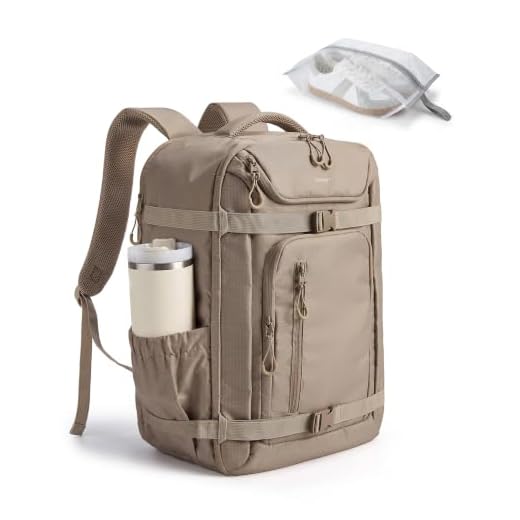
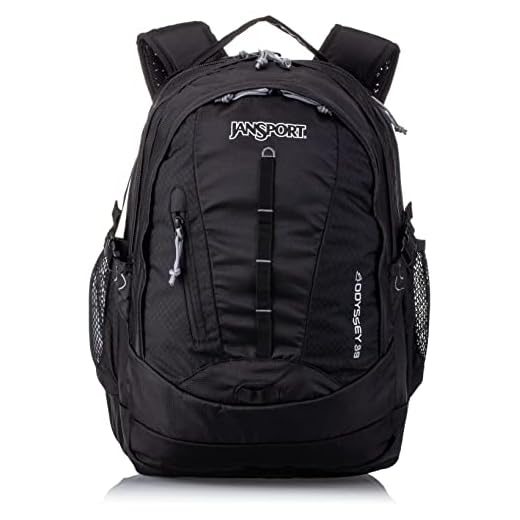


Security and material tips: prefer slash-resistant fabrics and locking zipper pulls for high-density urban areas; store passports, wallet and phone in an interior zip pocket or a concealed pouch; consider RFID sleeves for payment cards. Maintain the item by inspecting straps and foam padding every six months and replacing worn components. For formal meetings swap to a slim briefcase or tote to match dress codes and reduce social friction.
How to pick the right pack size for commuting, travel, and errands
Choose 15–25 L for daily commuting when carrying a laptop; 30–45 L for carry-on travel; 40–60 L for multi-day trips.
Volume guide (liters and typical contents)
10–15 L – urban daypack: phone, keys, light jacket, small water bottle (500 ml), 13″ laptop sleeve optional; best for cyclists and short public-transit trips that require low profile. 15–25 L – commuter: 13–15″ laptop, charger, packed lunch, compact umbrella, medium water bottle (750 ml), small notebook; typical laptop sleeve dimensions: 13″ ≈ 28 x 20 x 3 cm, 15″ ≈ 34 x 24 x 4 cm – pick the upper volume if chargers and lunch are bulky. 25–30 L – day-to-evening: 15–17″ laptop, light clothing change, toiletries pouch. 30–45 L – carry-on friendly: clothes for 2–5 days, one pair of shoes, toiletries, travel documents; aim for packed dimensions close to 55 x 40 x 23 cm (22 x 14 x 9 in) so most airline overhead bins accept it (approx. 35–40 L usable). 40–60 L – multi-day holdall: clothing for 5–10 days, extra shoes, small packing cubes; use internal compression straps to keep bulk compact.
Fit, load targets and features to choose
Loaded weight: target below 10–15% of body mass for all-day comfort; most adults find 8–12 kg (18–26 lb) comfortable for daily carry. Commuters carrying only electronics should aim for 6–8 kg. Straps and support: padded shoulder straps plus sternum strap recommended for volumes above 15 L; add a padded hip belt for packs over 25 L to shift load to hips. Back panel: ventilated foam or mesh reduces sweat on rides longer than 20 minutes. Organization: a dedicated padded laptop sleeve, internal compression or packing cubes, and an external water-bottle pocket speed access during errands. Access style: choose top-loader for compact urban use, clamshell or front-panel opening for travel packing. Weather and materials: prefer models that include a rain cover or use water-resistant fabric rated ~1500–3000 mm PU; YKK zippers and replaceable straps extend service life. For air travel, measure packed dimensions and aim for ≤55 x 40 x 23 cm for overhead storage or ~45 x 35 x 20 cm (~20 L) for an under-seat personal item.
Pack to prevent shoulder and back strain during all-day wear
Keep total carried weight at or below 10% of body mass for continuous all-day use; 10–15% is acceptable only for short periods and only if you remove the load every 60–90 minutes.
- Placement: store the heaviest items close to the torso and centered along the spine. Place them at mid-back height (roughly between shoulder blades and lower thoracic spine) so the load sits near your natural center of gravity.
- Order: heavy → medium → light. Use internal compartments or packing cubes to prevent heavy items from shifting during movement.
- Compression: tighten compression straps so the load is compact and stable; loose contents increase lever arm and force on shoulders and lower back.
Fit and feature specs for reduced pressure:
- Hip belt: soft-padded, sits on the iliac crest; it should transfer at least 40–60% of the load off the shoulders. Fasten the belt so the majority of weight rests on the pelvis.
- Shoulder straps: 5 cm (2 in) minimum width; 10–15 mm high-density foam padding recommended to spread pressure over a wider surface.
- Sternum strap: set 4–6 cm below the collarbone to stabilize straps and prevent lateral sag.
- Load-lifter straps: angle items toward torso at ~30–45° to bring the pack closer to your body and reduce backward torque.
- Backpanel: firm support with breathable channels reduces slippage and encourages upright posture.
- Adjustment sequence: fasten hip belt and tighten so it rides on the iliac crest; tighten shoulder straps until the load rests on the hips; clip and adjust sternum strap; set load-lifters to draw the top of the pack inward.
- Check: you should be able to slide two fingers between strap and shoulder; straps must not pinch the trapezius.
- Movement strategies: carry on both shoulders during prolonged wear. If single-strap carrying is unavoidable, switch shoulders every 15–30 minutes and limit duration on one side.
- Micro-breaks: remove the load for 2–5 minutes every 45–90 minutes to restore circulation and reset posture.
- Alternate options: use a wheeled roller for long, flat commutes or a lightweight tote for short trips to reduce cumulative strain.
Warning signs requiring attention: persistent numbness or tingling in hands, sharp shoulder pain, or lower-back pain that worsens after rest–seek assessment from a clinician or physiotherapist.
Organize items for quick access in stores, cafes, and public transit
Keep high-use items in fixed external pockets: transit card, phone, wallet, keys – always return each item to the same slot after use.
Assign pockets by size: front pocket sized for cards (minimum 90 × 60 mm) for tap-and-go; a shallow top pocket for phones up to 170 × 85 mm for one-handed reach; a zippered side for keys on a 12–15 cm leash to prevent jangling and loss.
Use a slim tech sleeve for chargers and headphones (180 × 100 mm) inside the main compartment next to the laptop or tablet sleeve; keep cables coiled with Velcro straps and labeled by function to avoid digging.
Fold a reusable shopping bag into a 200 × 150 mm pouch and store it in an outer compartment near the opening so it can be grabbed on the way out of stores without opening the main compartment.
Carry receipts and small notes in a flat zip wallet (approx. 120 × 80 mm) placed in an interior organizer; retain one compact pen in an elastic loop next to that wallet for quick price checks and signatures.
Reserve a water-bottle pocket for bottles up to 73–80 mm diameter; keep an umbrella folded to 250–300 mm in a base or side compartment to avoid wetting other items.
Color-code small pouches (e.g., red for hygiene items, blue for snacks, black for spare cables) and use transparent or mesh pouches for food so you can identify contents without opening each one.
Set up a security zone: RFID sleeve for cards and passport (89 × 62 mm) in a concealed pocket, and avoid placing valuable items in external rear pockets in crowded transit.
Choose closures for speed: horizontal zip pockets with large pull tabs (30–40 mm) allow glove-friendly opening; magnetic pockets are faster but test for card interference before regular use.
Practice a 60-second teardown: after a trip, spend one minute returning items to predefined slots and emptying trash; consistency reduces search time on the next outing.
Adapt appearance and straps for business or formal settings
Choose a slim 15–18 L leather-trimmed daypack in matte black, dark brown or navy, sized roughly 40 cm × 28 cm × 10–12 cm to maintain a laptop-friendly yet low-profile silhouette.
Materials, color and hardware
Prefer full-grain or pebble-grain leather, waxed cotton canvas or Italian vegetable-tanned leather for a refined surface. Select matte metal hardware (gunmetal, aged brass) and tone-on-tone stitching; avoid glossy plastic buckles and bright logos. Internal laptop sleeve should fit 13–15.6″ devices; zipper teeth hidden behind a placket or replaced by magnets for minimal visual noise.
Strap design and management
Select models that include a tuck-away harness or removable shoulder straps; if harness is fixed, use a leather strap sleeve or elastic keeper to secure excess webbing. Formal-appropriate strap width: 4–5 cm (wide enough to sit flat, narrow enough to read tailored). Padding: thin 6–10 mm foam wrapped in leather or matching fabric keeps profile slim. Remove or stow sternum straps before entering meetings; if non-removable, snap a leather cover over the buckle to hide it.
For briefcase-style carrying, use a reinforced top handle 2–3 cm wide and keep a detachable slim leather shoulder strap on hand for travel days requiring hands-free movement. Add a 2–3 mm internal stiffener panel to preserve a boxy shape that aligns with a blazer or suit.
Maintenance: apply a neutral leather balm every 8–12 weeks for daily use, reproof waxed canvas annually, and replace frayed webbing or matte hardware immediately to preserve a professional appearance. Low-cost upgrades: leather strap sleeves ($10–25), low-profile zipper pulls ($5–15), and adhesive edge protectors for corners.
Minimize theft and water damage when carrying a pack daily
Use a waterproof cover plus internal dry bags. Place electronics in sealed pouches: 1L for phone, 3L for tablet/e-reader, 8–10L for laptop or larger electronics. For laptops, use a padded waterproof sleeve rated at least IPX7 (submersion up to 1 m for 30 minutes).
Prioritize materials and closures. Choose 500–1000D Cordura or laminated nylon with taped seams and a DWR finish. Look for water-resistant zippers (laminated/welded types) and a storm flap over main openings. Re-treat the outer fabric every 6–12 months with a spray-on waterproofer or wash-in membrane to restore repellency.
Anti-cut and anti-slash measures. Use straps with integrated steel cable or Kevlar reinforcement; cable diameter 2–3 mm resists quick cuts. Fit zipper pulls with locking sliders or a small combination lock; use a 60–90 cm steel security cable to anchor the pack to fixed objects when seated (loop through frame or a reinforced anchor point).
Conceal valuables in spine-facing and hip pockets. Keep passport, cash, and hard drives in a hidden compartment against the wearer’s back and put frequently used small items in a zippered hip-belt pocket. Spread high-value items across two locked compartments so a single theft doesn’t take everything.
Front carry and situational habits for crowded areas. When platforms, markets, or busy streets require close proximity, move the pack to the chest using both straps or use a short sternum/crossbody strap to keep it tight. Don’t place the pack on chair backs, stroller handles, or unattended seats; loop a strap around a chair leg and thread a cable lock if you must set it down.
Quick-rain protocol. If rain starts: move electronics to dry bags, seal pouches, fasten the rain cover, then stow the cover’s drawcord under a compression strap to prevent flapping. If the outer fabric gets soaked, unzip pockets to let trapped moisture escape when safe to do so.
Maintenance and checks. Inspect seams and zippers monthly, replace worn strap webbing, and test any lock or cable for corrosion. Replace waterproofing treatment when water beads no longer form on the surface.
Clean, deodorize, and care for different pack materials
Apply material-specific treatment: test any cleaner on an unseen spot for 10 minutes before full application.
| Material | Cleaning | Water temp | Drying | Deodorize | Routine care |
|---|---|---|---|---|---|
| Nylon / Cordura | Spot-scrub with soft brush using mild non-ionic detergent (1 tbsp / 4 L water). For heavy soil, hand-soak 15–30 min, rinse until clear. | Cold to 30°C (86°F) | Air dry hanging upside-down; 6–24 hours depending on ventilation. | Sodium bicarbonate: sprinkle 1/3 cup, leave 24–48 hours, vacuum; activated charcoal sachets for 48–72 hours. | Use spray-on DWR or wash-in proofing after cleaning; lubricate nylon zippers with paraffin or graphite pencil. |
| Polyester | Brush off debris, wipe using mild detergent solution; machine-wash gentle cycle inside a laundry bag only if manufacturer label permits. | Cold to 30°C | Air dry; reshape pockets while damp. | Mist interior lightly with 50:50 white vinegar:water, let air 12–24 hours; then freshen with baking soda if odor persists. | Do not use fabric softener; reapply spray-on waterproofing for long-term water resistance. |
| Waxed canvas | Cold water wipe; never machine-wash. For stains, clean using cold water and soft brush, dry, then re-wax. | Cold | Air dry away from direct sun | Brush dry debris out, place charcoal sachet 48 hours. | Reproof every 6–12 months using a bar wax. Heat-set wax gently using a hairdryer to even distribution. |
| Plain cotton canvas | Hand-wash using mild detergent; spot-bleach diluted 1:10 only on whites, test first. | Cold to 30°C | Air dry; flatten seams to prevent stiffness. | Sodium bicarbonate overnight; follow up with airing for 4–8 hours. | Apply cotton-safe waterproofer after cleaning if needed. |
| Leather | Wipe with damp cloth; use pH-neutral leather cleaner for stains. Never soak. For heavy grime, use saddle soap sparingly. | No immersion | Air dry at room temperature; keep away from heaters and direct sun | Place cedar chips or activated charcoal inside compartments; rubbing alcohol spray damages finish so avoid. | Condition every 3–6 months using a lanolin or neatsfoot-based conditioner; use leather proofing cream for water resistance. |
| Suede / Nubuck | Use suede brush and eraser; treat stains with white vinegar dabbed on cloth, then brush after dry. | No immersion | Air dry away from sun | Sachet of cedar or activated charcoal placed in pocket for 48 hours. | Use suede protector spray after cleaning; professional cleaning recommended for major stains. |
| PU / TPU coated fabrics | Wipe with mild soap and soft cloth. Avoid alcohol, bleach, solvent cleaners that strip coating. | Cold to 30°C | Air dry; avoid folding coated areas while damp. | Baking soda in removable pouch 24 hours; airflow for 12–24 hours afterwards. | Store flat or hung to prevent creases that crack coating; replace if delamination occurs. |
| Mesh, padded straps, foam | Spot-clean straps and padding using soft brush, dilute detergent; squeeze excess water, do not wring padding. | Cold | Air dry horizontally to retain shape; allow 24–48 hours. | Spray enzyme cleaner for sweat odors; dry thoroughly to stop mildew. | Check strap stitching and foam integrity quarterly; replace strap webbing if abrasion noticed. |
Zippers: clear grit using soft brush; rinse and dry; apply beeswax or a dry PTFE zipper lubricant sparingly to sliding surfaces only.
Mold and mildew: scrub affected area using 1 part white vinegar to 4 parts water, let sit 10 minutes, brush, rinse, air dry in shade. For white-only fabrics, a diluted bleach solution (1:10) may be used after testing.
Strong odors: use an enzyme cleaner per label instructions for protein-based smells (food, sweat). For stubborn chemical odors, place item in sealed bag with 1 cup baking soda and 2 charcoal briquettes for 72 hours; ventilate afterward.
Seam and hardware repair: small seam splits repair using polyester thread and a curved needle; reinforce with fabric glue on inside if stitching access limited. Replace rusted hardware using stainless steel or brass parts; remove surface rust using baking soda paste, rinse, dry, then lubricate.
Regular schedule: light wipe-down weekly if daily use; full deep clean and reproofing every 3–6 months depending on exposure.
For rain protection carry a compact umbrella option: best umbrella inflatable pool. For remote inspection of outdoor storage, a short aerial check can help assess water damage risk: are drones hard to operate.