 Michael Turner
Wrap the damp fabric in a resealable plastic bag to inhibit moisture from spreading to your clothing and belongings. Choose a sturdy, thick bag designed to withstand potential leaks.
Consider rolling the item tightly to minimize space usage and enhance portability. Once rolled, securely fasten the bag to prevent any opening during transit. Place the bag in a section of your carrier where it won’t be compressed, reducing the risk of leaks.
To further safeguard your items, add a layer of absorbent material, such as a clean, dry cloth or additional plastic wrap around the bag. This can absorb any potential residual moisture, providing an extra dimension of protection for your garments.
Staying organized can make a significant difference. Designate a specific compartment for items that are moist, ensuring they are easily accessible when packing up or unpacking. This will help you manage any moisture-related concerns efficiently.
Storing Damp Fabrics Efficiently
For effective transportation of damp fabrics without causing moisture-related issues, consider wrapping the item in a breathable layer. Use a cotton or linen cloth to encase the damp piece, allowing airflow while minimizing water contact with surrounding items.
Utilizing Waterproof Containers
Incorporate a waterproof container for added protection. Look into options like the best leak proof backpack cooler, which can help manage moisture and prevent leaks that could damage electronics or clothing.
Minimizing Odors and Mold Growth
To avoid unpleasant odors or mold, introduce desiccant packets or odor absorbers in the container. Regularly check and replace them as needed. Additionally, if traveling for extended periods, consider cleaning your damp items upon arrival using the best cleaner for outdoor umbrella to refresh them.
Lastly, an understanding of product regulations, such as how can a country regulate imports and exports, can offer insights into managing your belongings better across different regions.
Choosing the Right Type of Towel for Travel
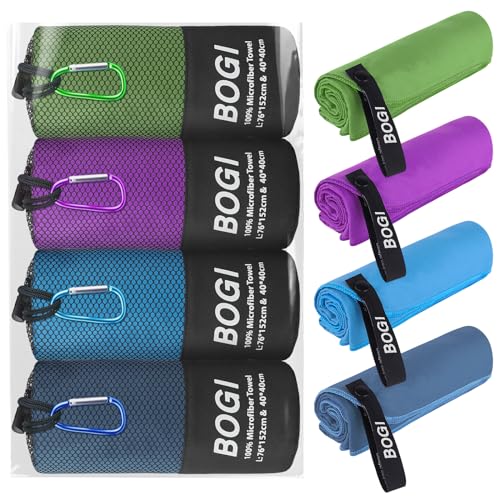
Select a quick-drying variant, such as microfiber, which absorbs moisture efficiently while minimizing weight and bulk. These options enable better airflow, allowing them to dry rapidly, an advantage during long trips.
Material Matters
Consider the fabric; cotton offers softness, but can take longer to dry and is heavier. Synthetics, particularly polyester blends, typically dry faster and resist mildew, making them suitable for adventurous excursions or humid climates.
Size and Portability
Opt for compact designs that fold small and fit easily into a backpack without consuming excess space. Look for a balance between size and usability, ensuring it’s large enough for personal needs yet portable. Travel-specific towels often come with carrying pouches that facilitate packing.
Prioritize a lightweight model to reduce strain when carrying multiple items. Additionally, investigate options with integrated features, like snap buttons or loops for easy attachment to bags, enhancing convenience on the go.
Preparing the Towel Before Packing
To minimize dampness and odor, dry the piece thoroughly before storage. Use a quick-drying variant that absorbs water efficiently. If time allows, hang it in a well-ventilated area, allowing the fabric to air out completely.
Storage Techniques
Roll the item tightly to expel excess moisture. This method can help keep the fabric compact and reduce the likelihood of mold and mildew development during your trip. Consider using a waterproof pouch for added protection against leakage.
Disinfecting and Refreshing
Use a fabric-safe spray or a mixture of vinegar and water to refresh the item before travel. This helps eliminate any lingering smells and prepares the cloth for the trip. Ensure it dries completely before packing to avoid unwanted odors.
Best Practices for Packing Damp Items
Separate damp items from dry clothing. Utilize waterproof bags or pouches to contain moisture, preventing transfer to other belongings.
Follow these steps for optimal results:
- Choose breathable bags. Materials like mesh promote airflow, minimizing mildew growth.
- Layer items carefully. Fold or roll damp garments, placing them in the center of the bag to avoid contact with dry clothes.
- Include absorbent materials. Consider adding moisture-wicking cloths or silica gel packets to absorb excess moisture.
- Seal tightly. Ensure closures are airtight to limit moisture escape.
Monitor bags periodically during travel. This allows for prompt action if dampness persists or if odor develops.
Upon arrival, promptly unpack and dry all items. This quick response reduces potential issues with mold and unpleasant smells.
Using Waterproof Bags for Containment
Utilize waterproof bags as a reliable solution for isolating damp items during travel. These bags are specifically designed to keep moisture contained, ensuring surrounding belongings remain dry.
Selecting the Right Waterproof Bag
Choose bags made from high-quality materials such as nylon or polyethylene to maximize durability and prevent leakage. Look for features like double-sealed closures or zip-lock technology for enhanced protection.
| Type of Bag | Features | Best Use |
|---|---|---|
| Compression Bags | Space-saving, air removal, high-seal | Extended travel, multi-item packing |
| Zip-Lock Bags | Simplicity, transparent, reusable | Short trips, individual item storage |
| Suction Sealed Bags | Vacuum-sealed, waterproof | Long-term storage, extreme moisture conditions |
Packing Technique
Before placing your items in a waterproof bag, ensure they are thoroughly wrung out to remove excess moisture. Lay the item flat to avoid creasing and seal the bag tightly to prevent any potential leaks. If possible, keep the bag in a separate compartment of your travel case to further shield other materials.
Managing Odor and Moisture During Transit
Seal the soaked item in a high-quality, odor-resistant bag. Select options with zippered closures to prevent leakage. This method minimizes moisture escape and confines any potential smell.
Incorporate odor absorbers like activated charcoal or baking soda inside the containment. These substances effectively neutralize unpleasant scents. Place them securely within the bag, away from direct contact with the material.
Regularly inspect your belongings for signs of dampness or odor. If any issues arise, consider airing out the contents during extended layovers. A brief exposure to fresh air can alleviate problem areas.
Maintain an organized packing strategy. Keep items that generate moisture separated from other belongings. This will help ensure that smells do not transfer between various articles in your suitcase.
Consider utilizing small sachets containing herbs or essential oils known for their freshening properties. Insert these sachets into the containment bag to further combat scents.
Monitor the humidity levels in your travel environment. If possible, aim for air-conditioned spaces that reduce moisture accumulation. Avoid areas prone to high humidity, especially while unpacking.