 Michael Turner

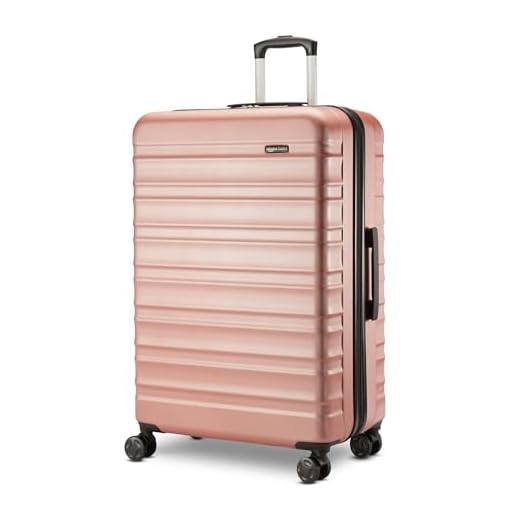

First, visit the official website of your airline to locate their specific policies regarding checked items. Every carrier has distinct guidelines that dictate dimensions, weight limits, and fees. Familiarizing yourself with these rules can save you time and money.
Next, prepare your items accordingly. Pack efficiently and label your valuables with identification tags. Many airlines recommend using durable locks to prevent tampering and loss during transit. This small precaution can make a significant difference in ensuring your belongings arrive safely.
At the airport, head to the designated check-in area. Most airlines offer self-service kiosks for quick processing. If you prefer personal assistance, approach an airline representative. Have your flight confirmation and personal identification ready to facilitate the process smoothly.
Ensure that you receive a receipt or tracking label for your possessions. This documentation is crucial, as it allows you to track your items in case of any issues. Always keep this information until you confirm the safe arrival of your gear at your final destination.
How to Handle Your Bags Efficiently
Begin by checking your airline’s guidelines on baggage allowances. Each carrier has specific dimensions and weight limits that may vary, impacting your packing strategy.
Utilize an online platform or mobile application for pre-departure procedures. These tools often provide an easy interface to manage your items and streamline the process on the day of travel.
Arrive at the terminal early to avoid stress. Allocate extra time for potential delays during the handling of your items and ensure all paperwork related to your bags is completed.
Documentation and Fees
Keep receipts or confirmation emails pertaining to your checked belongings. If additional charges apply, confirming payments beforehand can prevent unexpected costs upon arrival.
In case of damage or loss, familiarize yourself with the necessary reporting procedures. Most airlines provide forms for claims which need to be filled out promptly for compensation.
Tracking Your Belongings
Take advantage of tracking options offered by airlines. Many provide updates via SMS or email on the status of your bags, especially useful during layovers.
Label your items with your contact information to assist in the recovery process if misplaced. Ensure this information is visible but securely attached to avoid accidental detachment.
Understanding Airline Luggage Policies
Every carrier has unique rules regarding personal items, checked bags, and carry-ons. Always check the specific airline’s guidelines on their official site before traveling. These policies cover size dimensions, weight limits, and additional fees that may apply for extra baggage.
Size and Weight Restrictions
Most airlines enforce specific size and weight regulations for checked items and cabin baggage. It’s essential to measure your bags carefully, ensuring compliance to avoid unexpected charges at the airport. Carry-on bags typically shouldn’t exceed 22 x 14 x 9 inches, while checked bags often have a limit of 62 linear inches (length + width + height). Many airlines also impose a maximum weight of 50 pounds for checked items.
Fees for Additional Items
Expect to pay extra for excess weight or oversized bags. Fees can vary widely, ranging from $50 to $200 per bag depending on the airline and route. Some carriers allow a second checked item at a reduced rate, while others charge a flat fee. Be aware that some international flights may have different standards regarding luggage allowances.
For those planning beach trips, consider reading reviews on the best umbrella for the ocean and the best weight for patio umbrella base to ensure you’re well-prepared for outdoor settings.
Steps to Register Your Luggage Online
Select the airline’s official website or mobile application. Look for the “Manage Booking” or “Check-In” section to begin.
Input necessary details, including your confirmation number, last name, and departure date. Ensure accuracy to access your reservation.
Choose Your Baggage Options
Once your booking appears, locate the options for checked bags. Decide on the quantity and weight based on your travel requirements.
Payment and Confirmation
After selecting, proceed to payment. Enter payment information as prompted. Once completed, a confirmation will be sent via email. Save this for your records and future reference.
What Information You Need for Registration
Gather the following details to streamline the process and ensure accuracy:
Personal Information
- Full name as per travel documents.
- Date of birth.
- Contact number and email address.
Travel Details
- Flight number and departure date.
- Origin and destination airports.
- Travel class (economy, business, etc.).
Baggage Specifications
- Type of baggage (checked or carry-on).
- Weight and dimensions of the item.
- Special items, if any (sports equipment, musical instruments).
Payment Information
- Payment method (credit/debit card).
- Card details, including expiration date and security code.
Additional Documents
- Reservation confirmation number.
- Identification (passport or government-issued ID).
Having this information ready can expedite the process and minimize potential issues during your travel experience.
Troubleshooting Common Registration Issues
Check your internet connection if you encounter errors during the submission process. An unstable connection may disrupt the procedure, leading to timeouts or failed attempts.
Confirm that all required fields are filled accurately. Missing or incorrect information is a frequent cause of issues. Double-check names, contact details, and any reference numbers.
If you receive an error message, note the specifics. Some platforms provide guidance on how to rectify common errors. Take advantage of any hints and suggestions provided on the screen.
Verification Steps
After completing the necessary process, check your email for a confirmation message. If it hasn’t arrived, inspect your spam or junk folder. Add the sender to your contacts to prevent future messages from being misdirected.
In case of persistent issues, utilize customer support resources. Many airlines offer chat services, phone numbers, or email support for assistance. Have your confirmation number or any relevant details ready.
Technical Glitches
Using an outdated browser can lead to improper functioning of online services. Ensure your browser is up to date or attempt the process in a different web browser.
Clear your cache and cookies, as accumulated data can cause conflicts. This simple action can often resolve unexplained errors related to online platforms.
If challenges continue, consider consulting external resources on disposal options, such as reusing or recycling old air compressors sustainable options for various solutions related to general logistics.