 Michael Turner

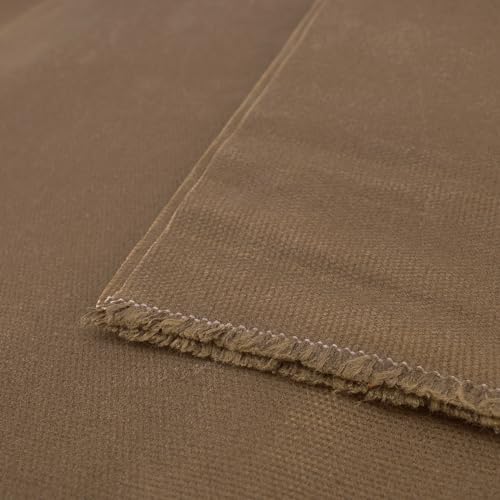
Gather a sturdy fabric like canvas or denim for the exterior, and opt for a softer lining material, such as cotton, for the interior. These choices will provide durability and a pleasant finish. To enhance comfort, select a wide strap that distributes weight evenly, allowing for ease of use without causing discomfort during longer wear.
Before proceeding, prepare all necessary tools: sharp scissors, a reliable sewing machine, measuring tape, and quality thread that matches your chosen materials. Planning the dimensions ahead will ensure the final product meets your practical needs while remaining aesthetically pleasing. A good average size for a medium item is approximately 14 inches wide by 12 inches tall, but feel free to adjust based on your preference.
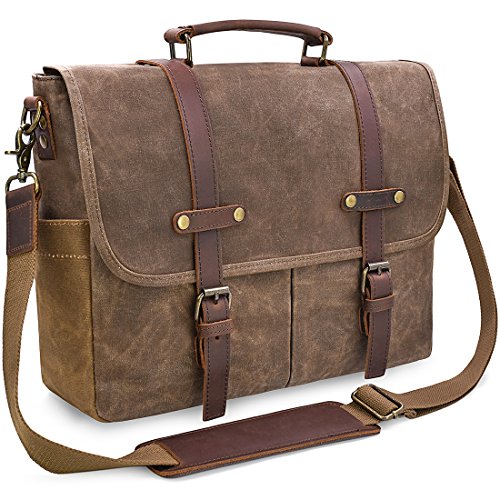
Begin with cutting fabric pieces: one for the front, one for the back, and two for the sides. Consider adding pockets for organization; these can be sewn into the lining or attached to the exterior. For an added flair, think about using contrasting colors or patterns for different sections. Once cut, follow a straightforward assembly process: stitch the sides to the front and back, then attach the lining to complete the interior. Secure the strap firmly to ensure longevity during daily use.


Choosing the Right Materials for Your Bag
Select durable fabrics like canvas or denim for longevity. These materials withstand wear and tear while maintaining a stylish aesthetic. For a lightweight option, consider cotton twill or poplin, which are both soft and easy to handle.
Water Resistance
If you need protection against the elements, opt for water-resistant fabrics or treatments. Nylon or treated polyester can help safeguard belongings from moisture. Additionally, consider using waterproof lining for added security.
Hardware Selection
Choose sturdy zippers, magnetic snaps, or clasps that blend function with style. Metal hardware provides greater durability compared to plastic, especially in high-use areas. Ensure all components are compatible with your chosen materials to avoid any unwanted alterations.
For straps, look for strong options like webbing or leather, which offer support and comfort during use. The choice of hardware and straps significantly impacts both the utility and aesthetic of your creation.
Measuring and Cutting Fabric Pieces Accurately
Utilize a clear ruler and fabric chalk or a marking tool for precise measurements. Begin by laying out the fabric on a flat, smooth surface to avoid any distortions. Ensure the fabric is wrinkle-free; iron it if necessary to achieve a crisp finish.
Accurate Measurements
Determine the dimensions for each section of your design, including the main body, pockets, and straps. Add seam allowances–typically 1/4 to 1/2 inch–depending on your stitching technique. Mark the fabric using your ruler and chalk, making straight lines for cutting.
Cutting Techniques
Use sharp fabric scissors or a rotary cutter for clean edges. Cut along the marked lines gently, ensuring not to shift the fabric during the process. For complex shapes, consider using pattern weights to keep the fabric in place while cutting. This attention to detail will ensure that all pieces fit together seamlessly during assembly.
Sewing Techniques for a Durable Carrier
Use double stitching for seams to reinforce sections that will bear weight or stress. This technique prevents fraying and enhances durability. Ensure to backstitch at the beginning and end of each seam to secure threads properly.
Reinforcement Methods
- Apply interfacing to high-stress areas such as straps and base for added strength.
- Consider using a zigzag stitch to finish raw edges, reducing the chance of fabric unraveling.
- For handles, fold the fabric lengthwise, stitch the edges, and turn inside out for a neat finish.
Choosing the Right Stitch
Select a straight stitch for most seams, but utilize a stretch stitch or overlock stitch for fabrics that may require extra elasticity or fray resistance. Test on scrap fabric before committing to your main pieces.
Ensure to regularly maintain your sewing machine so that it functions flawlessly, especially when working with thicker materials. Keeping the correct needle type and size according to fabric thickness will enhance stitch quality significantly.
Adding Pockets and Closures to Your Design
Integrating pockets enhances functionality. For exterior pockets, opt for patch pockets or zippered options for security. Consider placing them on the front for easy access or on the sides to maintain a clean profile. Ensure to cut pocket pieces a bit larger for seam allowances, then finish the edges to prevent fraying.
Types of Pockets
Internal pockets provide additional space without altering the external look. Utilize square or rectangular shapes to match your main fabric. For added depth, try creating pleated pockets. Keep in mind the lining fabric; a contrasting color can add visual interest.
Choosing Closures
Closed design elements like zippers, magnetic snaps, or buttons play a significant role in practicality. Zippers offer security, while magnetic snaps provide convenience for quick access. When selecting a closure, consider the overall aesthetic and weight of the materials. For instance, a lightweight closure is ideal for a soft structure.
For additional storage options, check out best backpack pouches for inspiration and ideas that complement your design.
Finishing touches and caring for your satchel
Add final details like topstitching along the seams to enhance durability and aesthetics. Use a contrasting thread for visual interest or match the fabric for a more subtle look. Reinforce stress points with additional stitching or rivets when needed, especially where straps connect to the main structure.
Cleaning and Maintenance
<p Regular maintenance extends the life of your accessory. Clean it with a damp cloth and mild soap regularly to remove stains. For deeper cleaning, follow the fabric care instructions; many materials can be machine washed, but some may require hand washing or spot cleaning. Allow it to air dry to maintain shape and prevent shrinkage.
Storage Tips
Store your item in a cool, dry place. If it’s not going to be used for a while, consider filling it with tissue paper to maintain its shape. Avoid overcrowding your storage spaces as this could cause creasing or distortion. Keep it away from direct sunlight to prevent fading. For outdoor activities, pairing it with a best backpack water bladder will help keep your belongings organized and hydrated.
Inspect your accessory periodically for wear and tear. Address any issues promptly to ensure longevity. If using it around pets, such as during dog walks, familiarise yourself with options for repairing any damage, such as in this guide on how to find a break in an electric dog fence.