 Michael Turner
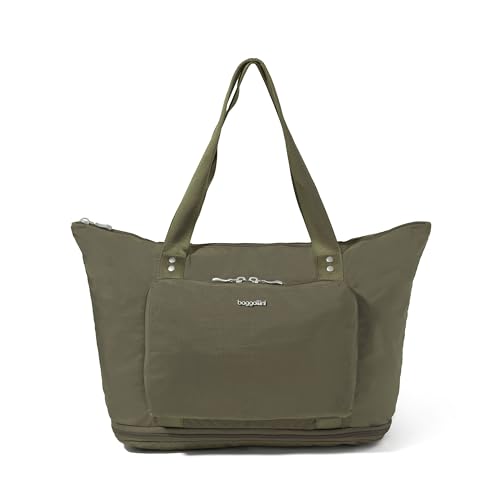
Recommendation: leave large rucksacks at your accommodation or in station lockers; carry a compact daypack or crossbody instead. Typical maximum dimensions accepted inside exhibition halls are about 30×20×10–40×30×15 cm. Expect either bag inspection at security, a mandatory deposit in a cloakroom/locker, or denial of entry for bulky luggage.
Common practice across the continent: free admission for small personal bags, cloakroom or coin-operated lockers for larger items. Typical cloakroom fees range from €1 to €5; lockers at major transport hubs usually need a €1 coin or a bank card. Security staff will ask to open any non-transparent bag; metal detectors and random checks are routine at busy sites.
What staff frequently prohibit: large suitcases, rolling luggage, tripods, full-size umbrellas, sharp objects, and liquids in unsealed containers. Practical packing advice: keep passport, payment card, emergency medication and phone on your person; put power banks, camera bodies and bulky lenses in a deposited bag when possible. If you must bring a camera, use a small camera bag that fits stated size limits.
Before visiting, consult the venue’s official Visitor Information or ticketing page for precise dimensions, prohibited items and cloakroom hours. When buying tickets, note whether cloakroom service is included. If unsure, call the box office or check the venue’s social channels for real-time updates on security measures and temporary restrictions.
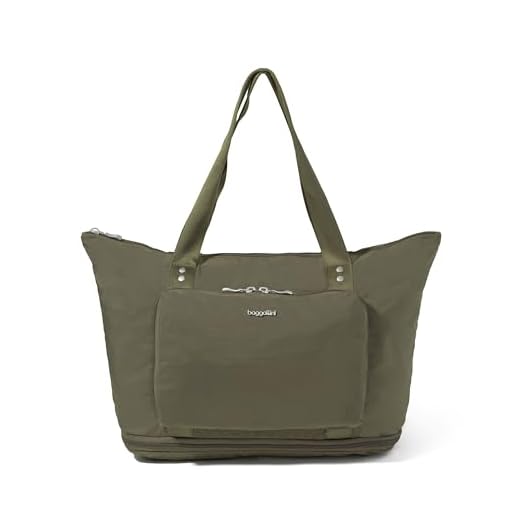
Guidance for carrying rucksacks and bags inside galleries
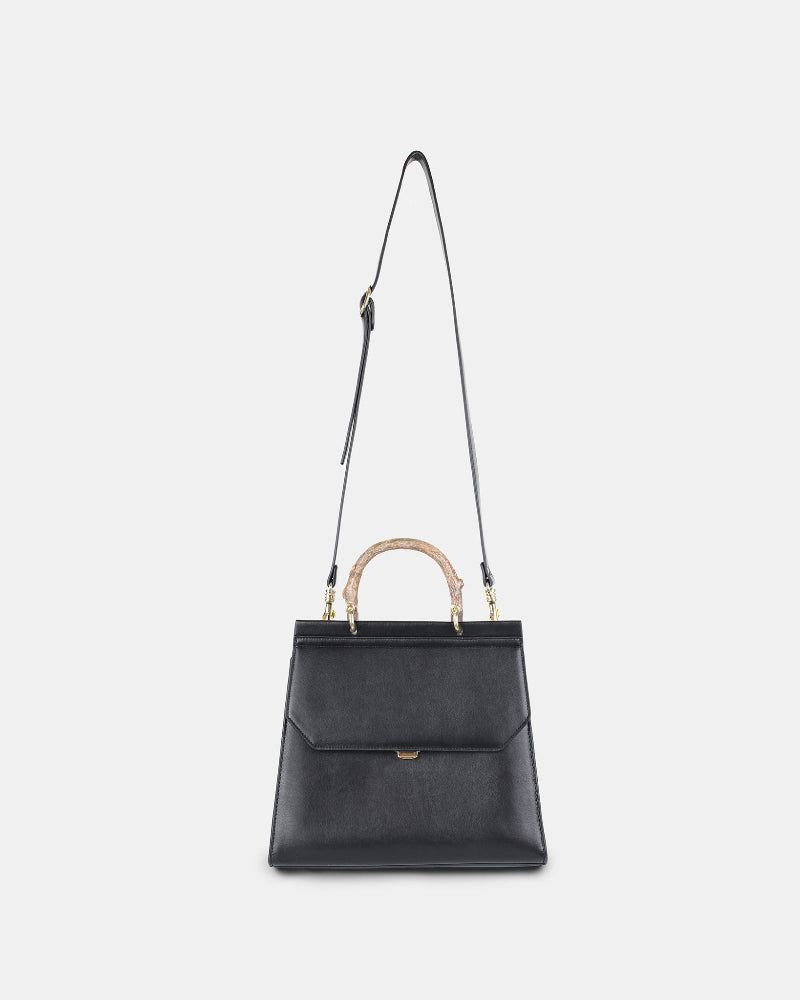
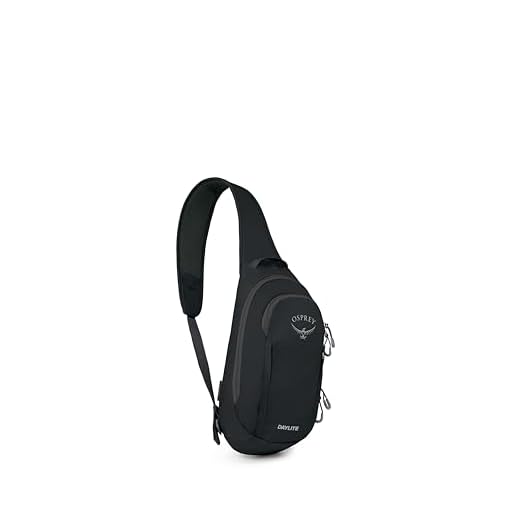
Carry a compact daypack that fits A4 (21 × 29.7 cm) or plan to use a cloakroom/locker: large rucksacks are routinely required to be deposited before entering exhibition halls.
- Typical size thresholds: small bags that clearly hold only A4 documents are usually permitted on the body; anything exceeding roughly 40 × 30 × 15 cm is often asked to be checked in.
- Deposit options: many national collections offer free or low-cost cloakrooms; independent venues sometimes charge €1–€5 per item. Some sites use coin or token lockers; others provide staff-run check desks with paper tickets.
- Security processing: expect X-ray screening and random manual checks. Remove laptops and tablets from cases if requested and keep liquids under 100 ml accessible for inspection.
- Prohibited equipment: tripods, monopods, selfie-sticks and large umbrellas are frequently banned from gallery spaces and must be stowed at the cloakroom.
- Temporary exhibitions: special displays (fragile works, loans, conservation areas) commonly impose stricter rules – entire bags may be barred from the gallery space for the duration of the show.
- Enforcement outcomes: refusal to comply can result in denial of entry, requirement to leave items in an external left-luggage facility, or forfeiture of the ticket time slot.
Practical tactics to avoid hassles:
- Measure your bag beforehand; if it exceeds A4, consider a smaller crossbody pouch for the visit.
- Check the venue’s website or ticketing confirmation for cloakroom hours, fees and banned items; policies are often stated under “Visitor Information” or “Plan Your Visit.”
- Arrive 15–30 minutes earlier on busy days to allow queue time at coat checks, especially for timed-entry exhibitions.
- Store valuables (passport, wallet) on your person in a small zipped pouch; leave bulky purchases at hotel or city luggage-storage services when possible.
- If visiting multiple sites in one day, use a city luggage locker service near transport hubs to avoid repeated deposits and retrievals.
If in doubt, contact the venue by phone or email before your visit and request specifics on maximum bag dimensions, cloakroom availability and any exhibition-level restrictions; save the reply as proof in case of staff queries on arrival.
Bag size and type limits: which dimensions and materials require check-in?
Carry items no larger than 40 × 30 × 15 cm; anything larger is commonly directed to cloakroom or lockers.
Typical size bands
Small personal bags (up to 30 × 20 × 10 cm) usually pass straight into exhibition spaces when worn on the front or carried by hand. Medium packs (up to 40 × 30 × 15 cm) frequently need to be worn in front, kept under constant control, or left at a cloakroom depending on the venue. Large bags and suitcases (over 40 × 30 × 15 cm; cabin-sized 55 × 40 × 20 cm) typically require check-in or locker storage; wheeled luggage and hard-shell cases fall into this category. Weight limits sometimes apply: items heavier than about 8–10 kg are commonly requested for deposit.
Materials and object types that trigger check-in
Rigid frames and external metal supports, wheeled cases, full-size tripods/monopods, long umbrellas and walking sticks with pointed tips, folding stools, loose glass containers, aerosols and large quantities of liquids, sharp instruments (scissors, multi-tools, knives), and compressed-gas items usually prompt a request for storage. Large battery packs or lithium cells above roughly 100 Wh may be restricted. Anything that could damage exhibits or obstruct emergency routes is handled by cloakroom staff.
Measure your item before visiting, use small transparent pouches when available, place bulky camera gear in coat-check, and opt for waist packs or compact crossbody bags when planning a gallery visit. If cloakroom or locker service carries a fee or limited capacity, arriving earlier reduces the risk of being denied entry with oversized or restricted items.
Security screening procedures: how to prepare your daypack for bag checks and X‑rays
Place electronic devices and liquid containers in a single clear tray or pouch before reaching the checkpoint.
Pre‑arrival preparation
Empty external pockets: remove coins, keys, loose pens, receipts and place them in a small transparent pouch. Loose metal increases manual inspections and slows passage.
Organize electronics: put laptops, tablets and cameras in an easily accessible sleeve at the top of the main compartment. Devices larger than 15–17 cm should be taken out and laid flat on the tray for imaging; small phones and e‑readers can usually remain if visibly separate from chargers and power banks.
Liquids and gels: keep containers ≤100 ml in a resealable clear bag (maximum 1 L capacity) and place that bag on top. Empty reusable bottles before entry; filled bottles are frequently required to be discarded or consumed before screening.
At the checkpoint
Power banks and spare batteries: remove and present separately. Many venues flag loose lithium cells on X‑ray images. Carry them in external pouch with capacity printed on the cell for faster verification.
Sharp objects and tools: scissors, multi‑tools and metal tipped umbrellas must be removed and either left in a cloakroom or presented for surrender; keep such items at home if possible.
Medications and medical devices: carry prescriptions or a printed note; place pills or syringes in a clear bag and label. If a device cannot be removed (e.g., some prosthetics), notify staff before screening.
Fragile or valuable items: sunglasses, small cameras and jewelry should be presented separately or kept in a small protective case on top of other items so staff can inspect without emptying the whole pack.
Zips and internal pouches: open every compartment and undo internal pouches before the tray reaches the scanner. Security officers will request full access when X‑ray images show overlapping dense items.
If a manual search is requested, hand over keys to small internal locks and avoid locks that require bolt cutters; leave luggage unlocked or use a simple zip tie that can be cut and replaced.
For a minimalist carry option that speeds screening, consider a single‑compartment textile bag; one eco choice is the best organic cotton gym bag, which fits into most trays and reduces shadowing on X‑ray images.
How to verify institution-specific carry rules: finding and interpreting policies for major galleries across Europe
Check the venue’s official “Visit” / “Plan your visit” page and your ticket confirmation for storage and item restrictions at least 48 hours before departure.
Where to look (precise targets)
Search the venue site for keywords: “cloakroom”, “left-luggage”, “checkroom”, “bag policy”, “security checks” and “prohibited items”. Use the site: operator in search engines (example: site:britishmuseum.org “cloakroom”) to avoid outdated third-party pages. Check PDF visitor guides and the FAQ – policies are often in PDFs linked from the main Visit page. If the main site lacks English text, open the local-language page and use browser translate; confirm critical limits by emailing the venue’s visitor services address or calling the admissions desk (phone numbers listed on Contact or Visit pages).
How to interpret wording and practical rules
Translate policy language into actions: “coatroom” or “free checkroom” means on-site storage is provided; “no large bags” or “prohibited large items” implies compulsory drop-off before entry; “subject to search” signals random inspections and X‑ray procedures. Note time windows for cloakroom use (e.g., some institutions close coatrooms 30 minutes before closing) and fees for left-luggage. For group or school bookings, policies may differ – check the Groups/Schools section or ask the group coordinator contact listed on the site.
Examples of common institution-level specifics: Louvre (official site) requires visitors with larger day bags to use cloakroom services; British Museum lists a free left-luggage service with size restrictions and advises arriving earlier for cloakroom lines; Vatican Museums enforce strict checks and deny entry for suitcases. Always record the page link or screenshot the exact policy shown at booking; staff will use the printed/online rule as the basis for enforcement.
When short on time, use direct channels: message the venue’s verified social account (Twitter/X or Instagram) with a single clear question plus your bag dimensions; attach a photo if needed. If carrying travel luggage between sites, consult local left-luggage services at major stations or best luggage for study abroad and travel for compact options that meet most institutions’ storage requirements.
On-site storage and cloakroom options: where to leave a daypack, typical fees and opening hours
Use a staffed cloakroom whenever available: hand over the item, show ID if requested, receive a numbered ticket and keep it until collection. Typical charges: staffed coat checks – free to €3 for small items (common cut-off ~40×30×20 cm); oversized or suitcase storage – €3–€8 per item; coin/electronic lockers – €1–€6 per single use; station or airport left-luggage – €5–€15 per 24 hours. Card and contactless payments are increasingly accepted, but smaller sites may be cash-only.
Opening hours and timing rules
Most cloakrooms operate from the venue opening time and close 15–30 minutes before public closing; lockers usually stay accessible during opening hours only. If you plan to enter late in the day, expect to be refused cloakroom service after the cut-off; overnight storage inside the building is uncommon. Left-luggage offices at major transport hubs often run extended hours (typical examples 06:00–22:00), but schedules vary by city – check the specific venue or station page before travel.
Practical payment, security and alternatives
Bring small change as some lockers require coins; keep the receipt/ticket until retrieval – most sites refuse returns without it. Security checks may require opening items at drop-off. If on-site options are full or closed, use reputable third-party luggage networks (examples: Stasher, LuggageHero, Radical Storage) with typical rates €5–€12 per day, or ask hotel concierges for short-term hold. For local, non-storage advice about outdoor perimeter issues consult how to keep dog from digging under wood fence.