 Michael Turner
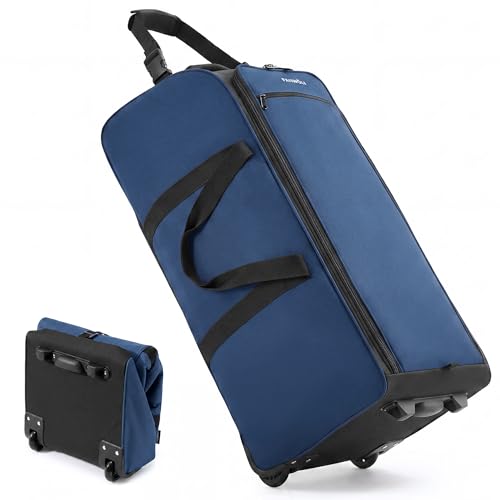
Short answer: Passengers are allowed one item that fits under the seat in front of them, plus one cabin-sized bag that fits in the overhead bin, at no extra charge when flying with this airline. Use a slim daypack or laptop case for the under-seat slot; reserve a soft-sided suitcase or duffel for the overhead compartment.
Official guidance: overhead cabin dimensions should not exceed 24 x 16 x 10 inches (61 x 41 x 25 cm); there is no published weight limit for onboard pieces. The under-seat item must stow fully beneath the seat; practical under-seat dimensions to aim for are roughly 17 x 13 x 8 inches (43 x 33 x 20 cm). This carrier allows two checked pieces free per ticketed passenger; checked baggage limit is 50 lb (23 kg) per piece before overweight charges apply.
Packing recommendations: choose a compressible under-seat pack for electronics, travel documents, essential toiletries in a 3-1-1 clear bag, medications, a change of clothes. Use packing cubes inside the overhead bag to reduce bulk. Place fragile items in the under-seat item for easier access. Measure bags at home with a soft tape measure; bring a portable luggage scale to avoid surprises at the gate.
Operational tips: if the cabin reaches capacity the gate agent may ask that the overhead piece be gate-checked free of charge; keep valuables with you to avoid placing them in checked hold. Check your confirmation for aircraft type when possible; smaller regional jets have tighter overhead bins. If carrying musical instruments, sports equipment or oversized items, consult the airline’s special items policy before arriving at the airport.


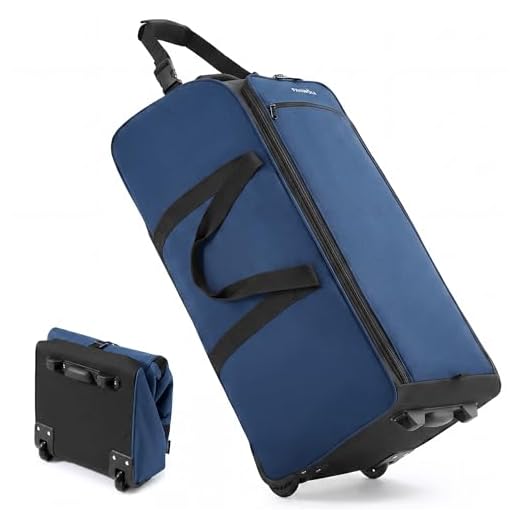
Personal-item plus cabin-bag policy for SWA flights
Bring one under-seat personal item plus one overhead-sized suitcase; ensure the overhead piece does not exceed 24 x 16 x 10 inches, measured including wheels; handles.
The under-seat item must stow fully beneath the seat in front of you; suitable examples include a laptop sleeve, small tote, compact duffel. No specific dimensions are published by the carrier; measure at home before departure.
No published weight limit exists for cabin luggage under this carrier’s policy; checked pieces remain subject to a 50-pound per-piece maximum. Soft-sided overhead bags compress easier into bins; hard-shell pieces occupy more volume.
Boarding position directly affects overhead availability; securing an A-group assignment by purchasing priority boarding or using EarlyBird automatic check-in increases odds of bin space. If bins are full, gate agents will tag oversized pieces for gate check; keep medications, travel documents, electronics inside the under-seat item.
When planning two small rucksacks, consolidate liquids into a single quart-sized clear bag placed inside the under-seat item for faster screening. Attach a durable tag to any gate-checked piece; retrieval occurs at the aircraft doorway or at baggage claim depending on airport procedures.
Is a daypack acceptable as a personal item on this carrier?
Yes: a small daypack that stows beneath the seat ahead qualifies as a personal item for this carrier.
Size limits
Recommended maximum external dimensions: roughly 18 x 14 x 8 inches (46 x 36 x 20 cm). If the fully packed item exceeds those measurements, gate staff may require it to occupy an overhead bin or to be gate-checked.
Packing tips
Measure the bag while fully loaded; keep electronics in a protective sleeve for quick inspection; place liquids in a single quart-sized clear bag following the 3.4 fl oz / 100 ml rule; store travel documents, medication, valuables in the compartment nearest the opening for rapid access; avoid stuffing bulky outerwear inside the small bag because that often pushes the item over acceptable dimensions.
Gate agents have final authority; if enforcement occurs, be ready to repack items into another piece of luggage or accept gate-checking to avoid boarding delay.
Size limits for a personal item vs overhead bag
Bring one under-seat item plus one overhead bag that meets the carrier’s dimensions: overhead maximum 10 x 16 x 24 inches (25 x 40 x 61 cm); under-seat item must fit fully beneath the seat in front of you.
- Overhead bag: maximum 10 x 16 x 24 inches (25 x 40 x 61 cm); measure wheels, handles, external pockets. No published weight limit; bag must fit in the overhead bin.
- Personal item: must be stowable beneath the seat; the carrier does not list a strict numeric limit. Practical guideline for guaranteed fit: about 16 x 14 x 8 inches (40 x 35 x 20 cm); soft-sided items compress easier than rigid cases.
Practical tips for compliance:
- Measure fully packed dimensions with a tape measure; include protruding wheels, straps, zip pulls.
- Retract telescoping handles before measuring or boarding; use soft materials that can be compressed into tighter spaces.
- Place fragile or urgently needed items in the under-seat item since gate agents may require overhead pieces to be checked at the gate if bins are full.
- If a bag exceeds the stated overhead size, agents typically gate-check the item; expect verification at the gate during boarding.
Will I be allowed to board with both items during peak boarding?
Yes: if the under-seat item stows fully beneath the seat, the cabin-sized suitcase fits into overhead compartments, you will generally be allowed to board with both items; during peak loads the gate agent enforces space rules, which may result in gate-checking of larger cabin pieces.
How boarding priority affects outcome
Boarding order determines probability of keeping both pieces aboard. Passengers with highest priority (Business Select, A-List, purchased earlier boarding positions) secure overhead space first; those in later groups often face full bins. If the flight shows full at check-in, expect limited bin availability; arriving at the gate early after check-in improves odds.
Immediate tactics at the gate
If you are asked to submit a bag for gate-check, remove electronics, medication, travel documents into the under-seat item before handing the larger piece over. Collapse telescoping handles, flatten soft-sided luggage, rotate the larger unit to align with bin depth; show boarding pass or priority credentials to request a quick spot in the bin. If you need a compact camera for travel photos, consider a small model to keep inside the under-seat item; see best digital camera for 2000s look.
Final recommendation: purchase an earlier boarding option when overhead space matters, pack valuables in the under-seat piece, prepare for possible free gate-checking on full flights.
Does purchasing EarlyBird or upgraded boarding prevent gate-checking of a daypack?
No; EarlyBird purchase or a paid boarding upgrade reduces the likelihood of gate-checking a daypack but does not eliminate the possibility–gate agents reserve authority to gate-check items when overhead space is limited.
EarlyBird performs automatic check-in roughly 36 hours before departure, typically placing passengers earlier in the boarding order than standard check-in. Business Select guarantees the earliest boarding positions (A1–A15). Paid upgraded boarding bought at booking or at the gate generally inserts a traveler ahead of the open boarding line without a formal guarantee of a specific single-digit position.
Gate-check decisions depend on real-time variables: aircraft model, load factor, number of earlier boarders using overhead bins, size of soft-sided bags, last-minute aircraft equipment changes. Boarding priority improves odds of finding bin space; it does not override the agent’s operational call when bins fill.
Practical steps to minimize gate-check risk: consolidate essentials into an under-seat personal item; switch to a soft-sided pack that compresses into bin gaps; consider Business Select if a top boarding slot is essential; purchase upgraded boarding only when higher boarding position would materially affect cabin storage; arrive at the gate early to be ready when boarding begins.
Expect gate-checked items to be free of gate-check fees but to arrive at baggage claim rather than at the jetbridge; keep valuables, medications, travel documents inside the under-seat item to avoid inconvenience if a gate-check occurs.
Packing tips to ensure daypack plus cabin suitcase fit airline overhead bins
Limit bulk: compress clothing with two 18×14-inch packing cubes, roll shirts tightly, use a 5-liter compression sack for outerwear; target a soft small bag for under-seat storage, a single rigid cabin suitcase for the bin.
Prefer soft-sided smaller bags; fabric squeezes into tight bin gaps better than hard shells. Store a laptop vertically in a padded sleeve, place chargers and cords in a thin pouch to reduce wasted space.
Load sequence matters: place the roller into the bin first with wheels toward the rear, slide the soft item on top or wedge at the front to exploit unused vertical space. Quick in-seat check: measure bin depth when seated if possible; common depths range 16–20 inches.
Use packing cubes by category: one cube for tops, one for bottoms, one for underwear/tech. Fill shoe cavities with socks or cables to use dead volume; reserve an outer pocket for items needed during boarding.
Weight control: keep the small item under about 15 lb to ease handling; weigh both pieces at home with a portable scale to avoid surprises at the gate. Place heavier items low in the suitcase to prevent top-heaviness when lifting into bins.
Protect fragile items: wrap electronics in clothing, place toiletries inside sealed plastic pouches. Store all liquids in a single 1-quart clear pouch for quick inspection; secure lids with tape to prevent leaks.
If an item appears too bulky at the gate, prioritize valuables and medication inside the small bag; label each piece with removable ID tags for faster retrieval if gate-checked. For minor on-the-road repairs to frames or zipper pulls keep a compact tool kit; reference: best drill bit for beach umbrellas.