 Michael Turner
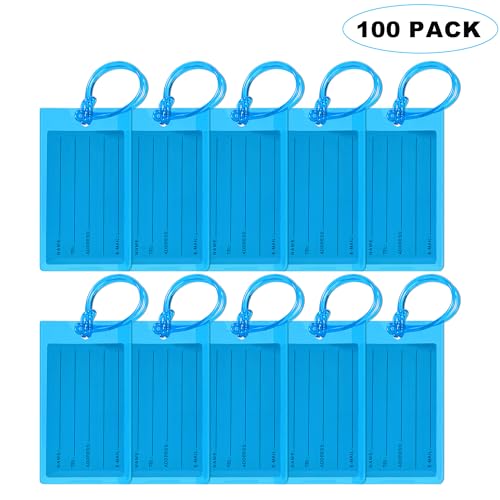

Choose sturdy materials like cardstock or plastic for durability. Bright colors and bold patterns help your identifiers stand out on conveyor belts. Consider using waterproof coatings to enhance longevity.
Utilize a variety of tools for personalization: markers, stamps, or even stickers can add unique touches. Make sure to include essential details such as your name, contact number, and destination, keeping the information easy to read.
Incorporate string, elastics, or clips for attachment, ensuring they secure well but are easy to remove. Experiment with shapes like circles, rectangles, or even custom designs for creativity that reflects your personality.
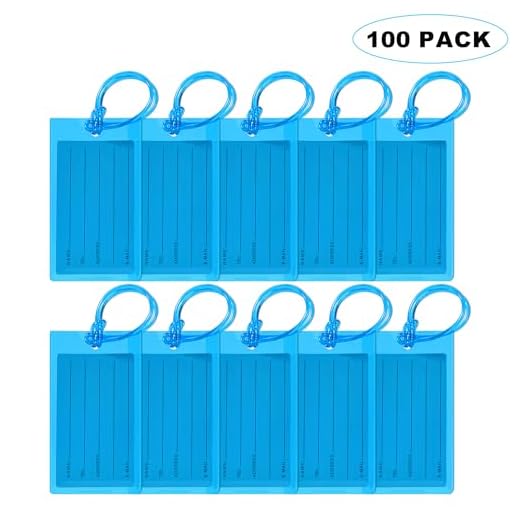
Regularly inspect your creations for wear and tear, replacing or refreshing them as needed. This small effort enhances your luggage’s visibility, making identification a breeze.
Choosing the Right Materials for Your Travel Identification Labels
Select durable materials that withstand wear and tear. Consider options like synthetic fabrics, leather, or thick cardstock for longevity.
Recommended Materials
- Plastic: Waterproof and easy to clean, ideal for outdoor conditions.
- Vinyl: Flexible and resistant to fading, suitable for vibrant designs.
- Leather: Offers an elegant look while providing durability.
- Cardstock: Lightweight and customizable, perfect for temporary use.
Finishing Touches
Consider adding a protective coating or laminate to enhance longevity and prevent fraying. Reinforced stitching can also improve durability, especially at attachment points.
Using high-quality ink ensures that printed information remains legible despite exposure to the elements.
Step-by-Step Guide to Designing Your Travel Identification
Begin with a central idea or theme that reflects your personality. Choose a motif that inspires you, such as a favorite color scheme or a pattern that speaks to your interests.
Gather Necessary Tools
Collect supplies including cardstock or thin plastic, scissors, a hole punch, and a writing tool for personal details. If desired, add embellishments like stickers, stamps, or ribbons for extra flair.
Create a Template
Design a template on paper, determining the dimensions and layout. Include space for essential information like your name, contact details, and an optional personal message. Cut the template to the desired size before transferring it to your chosen material.
Use vibrant markers or print designs directly onto the material for a professional look. Be sure to maintain clarity to ensure your information is easily read by others.
After finalizing the design, cut out the shapes carefully, and punch a hole for attaching to your gear. Consider using a sturdy string or plastic loop for secure attachment. Finally, do a quick quality check to ensure everything is readable and well-constructed.
Techniques for Adding Color and Patterns
Use fabric paints for a durable and customizable finish. These paints adhere well to different materials and can be mixed to create unique shades. Apply with brushes or sponges for varied effects. Consider using stencils for clean patterns.
Using Adhesive Vinyl
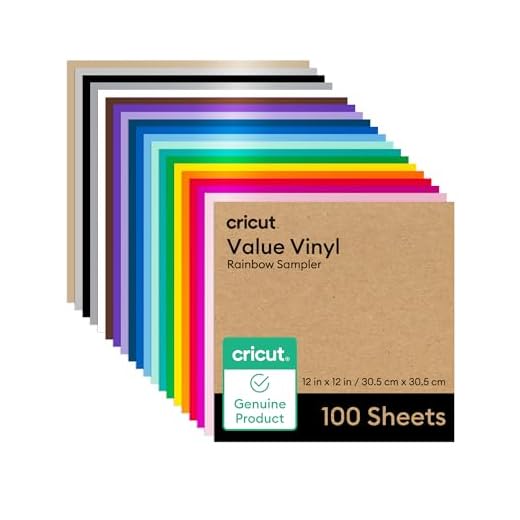
Adhesive vinyl offers a smooth surface for intricate designs. Cut shapes or lettering with a digital cutter, and simply peel and stick to your substrate. This method allows for layering colors and achieving a professional look.
Fabric Markers and Pens
Fabric markers are ideal for quick personalization. Choose high-quality pens that withstand washing and fading. Add names, initials, or fun doodles directly onto fabric pieces to boost uniqueness. Pair this method with painter’s tape for straight lines and borders.
For additional creativity, consider incorporating elements of art through natural dyes or tie-dye techniques, which can lead to stunning and organic patterns. Explore different textures by combining various materials. Remember to use a protective layer for longevity. For a fun scientific experiment related to colors, check out which of the following enzymes is specific for proteins.
Durability Tips for Long-Lasting Identification Labels
Choose materials resistant to wear and tear, such as thick plastic or durable synthetic fabric. These substances withstand impacts and environmental factors better than standard paper or lightweight options.
Seal and Protect
Apply a protective coating, such as laminate or waterproof spray, to prevent moisture damage and fading from sunlight. This extra layer enhances the longevity of your identifiers, keeping them legible and intact.
Secure Fastening
Use robust attachments like metal loops or strong clips to ensure your markers stay secure during travel. Avoid flimsy strings or adhesive options that may break or detach easily.
Regularly check for signs of wear. Replace components showing damage immediately to avoid losing important information. With these measures, your identifiers can last through countless journeys.
Personalization Ideas to Make Your Tags Stand Out
Incorporate unique shapes into your identifiers by cutting them into fun designs like stars, hearts, or animals. This immediately adds a playful touch while making them easier to spot.
Add a Personal Touch with Photos
Consider printing small photos on your identifiers. Whether it’s a beloved pet or a memorable travel snapshot, images can evoke emotions and make your accessories feel more personal.
Utilize Fun Fonts and Quotes
Select quirky fonts or engrave motivational quotes. Customize each piece with your name, a favorite saying, or even an inspirational phrase to stand out in the crowd.
Enhance functionality by including essential information, such as emergency contacts, alongside your name. Insert a small QR code linking to your social media or travel profile, allowing for easy identification.
Check out the best luggage cover for away luggage for additional protection and style. Pair these personalized identifiers with the best tote bags for work and travel for a cohesive and fashionable travel look.